Redbone Coonhound
- Origin
- United States 🇺🇸
- Size
- Medium Breed
- Lifespan
- 12–14 yrs
- Buying Price
- ₹60,000 - ₹1,00,000
- Ideal Space
- Independent House
- Weather
- 10°C – 30°C
- Coat Type
- Short to Medium Coat
About Redbone Coonhound
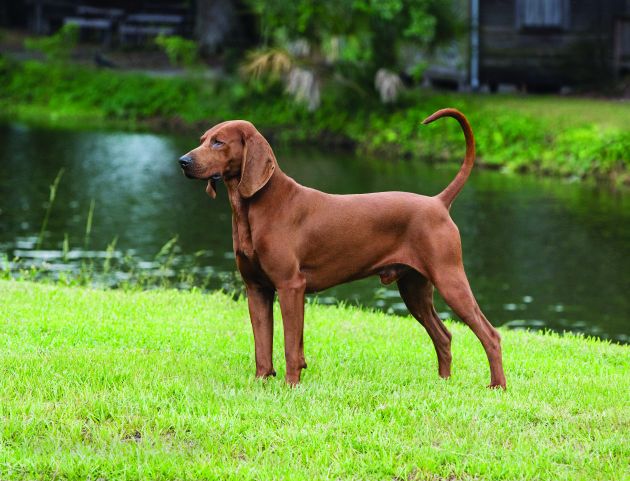
The Redbone Coonhound is a medium breed originating from United States, admired worldwide for its athletic, energetic, intelligent character and its ability to form deep bonds with families across all lifestyles. Protein is needed to maintain muscle strength in Redbone Coonhounds. At Poodles Petcare, we bring you a comprehensive profile of this remarkable breed to help you determine whether the Redbone Coonhound is the right companion for your home.
The Redbone Coonhound's short to medium coat reflects its practical working heritage and provides climate-appropriate insulation suited to the varied conditions across India. Redbone Coonhound is established in United States as a versatile working and companion breed, and has since become one of the most sought-after medium breeds in Indian households. The purchase price for a Redbone Coonhound puppy in India typically ranges from ₹60,000 to ₹1,00,000, depending on pedigree lineage, breeder certification, coat quality, and regional demand across cities like Mumbai, Delhi, and Bangalore.
With a lifespan of 12 to 14 years, the Redbone Coonhound thrives under attentive ownership that prioritizes structured exercise, preventive healthcare, and consistent socialization. The ideal home environment for a Redbone Coonhound is a independent house, which provides adequate space for daily physical activity and mental enrichment. The Redbone Coonhound is best suited to temperatures between 10 to 30°C, making it adaptable to the moderate and cooler climates found across northern and central India.
As a high-energy breed, the Redbone Coonhound requires 60 to 90 minutes of daily physical activity to maintain behavioral stability and a healthy body condition. Hip Dysplasia - It is a genetic condition resulting in joint pain and lameness. Provide joint support and maintain a healthy weight.
Swimming, for example, can help to strengthen their joints regularly. With the right balance of nutrition, grooming, and veterinary care, the Redbone Coonhound grows into a devoted, joyful companion for its entire lifespan.
Nutrition
Meal guidance, macros and what to avoid.
Nutritional Guide for Redbone Coonhound
Monthly food cost: ₹2,250 - ₹3,000
Puppy/Kitten: 1800 kcal · Adult: 1500 kcal
Overview
Managing the dietary requirements of the Redbone Coonhound begins with understanding its unique energy profile and specific nutritional demands. Nutrition Care for Redbone Coonhounds Protein is needed to maintain muscle strength in Redbone Coonhounds. They need healthy fats for energy and a shiny coat.
Sweet potatoes are good sources of complex carbohydrates that sustain energy levels. Puppies require 1800 kcal per day to support rapid growth, while adult Redbone Coonhounds maintain optimal conditioning on 1500 kcal daily. Monthly food expenditure for a well-nourished Redbone Coonhound in India typically ranges from ₹2,250 to ₹3,000, covering quality kibble and fresh meat rotations.
Vitamins and minerals contribute to immune health and bone strength.
Recommended Foods
A diverse selection of verified proteins and wholesome ingredients ensures the Redbone Coonhound remains nutritionally satisfied and physically energized. Pure animal-sourced proteins support lean tissue generation, healthy coat maintenance, and clean metabolic burning without triggering common canine allergies. Incorporating these veterinarian-approved food items maintains the Redbone Coonhound's physiological wellness and stable energy levels across all life stages.
Rotating protein sources prevents dietary monotony and ensures a complete amino acid profile for the Redbone Coonhound.
- Cooked deboned chicken providing lean, complete animal protein essential for the Redbone Coonhound's muscle repair, coat health, and high daily energy levels.
- Premium quality dry kibble formulated for medium breed breeds, delivering balanced macro-nutrients and supporting dental health through mechanical chewing.
- Lean fresh meats including turkey, beef, or lamb delivering complete amino acid profiles to sustain the Redbone Coonhound's active musculature and metabolic needs.
- Fresh fish rich in marine Omega-3 fatty acids that reinforce the Redbone Coonhound's brain function, coat condition, joint lubrication, and cardiovascular health.
- Dog-safe fruits like blueberries, apples, and watermelon providing natural antioxidants and vitamins to strengthen the Redbone Coonhound's immune system without added sugars.
Essential Nutrients
A precisely calibrated array of macro and micro-nutrients forms the foundation of optimal health for the Redbone Coonhound. This breed's short-coated physiology demands consistent high-quality protein to support muscle mass, coat condition, and sustained energy. Complete vitamin and mineral profiles ensure proper cellular repair, joint integrity, and immune system resilience across all life stages of the Redbone Coonhound.
Without these foundational nutrients, the Redbone Coonhound risks developing preventable metabolic imbalances and long-term organ stress.
- High-quality animal protein from chicken, fish, and meat to fuel the Redbone Coonhound's high-energy lifestyle and support lean muscle repair
- Omega-3 and Omega-6 essential fatty acids to maintain the Redbone Coonhound's coat condition, joint lubrication, and cardiovascular health
- Complex low-glycemic carbohydrates providing sustained energy release for the Redbone Coonhound's daily activity demands
- Prebiotic dietary fiber to regulate the Redbone Coonhound's bowel transit and support efficient nutrient absorption throughout the digestive system
- Fat and water-soluble vitamins to support the Redbone Coonhound's immune system, vision, and efficient cellular repair processes
- Calcium, phosphorus, and trace minerals to sustain the Redbone Coonhound's bone density, dental health, and enzymatic function
Macro-nutrient Breakdown
- Protein25%
High-quality animal proteins from chicken, fish, and meat support lean muscle mass and sustain the Redbone Coonhound's high daily energy demands.
- Fats15%
Essential Omega-3 and Omega-6 fatty acids from fish oil maintain the Redbone Coonhound's coat condition, joint lubrication, and cardiovascular function.
- Carbohydrates45%
Complex carbohydrates from grains and vegetables provide sustained energy release and digestive fiber for the Redbone Coonhound's active lifestyle.
- Fibre5%
Prebiotic dietary fiber promotes smooth intestinal transit and efficient nutrient absorption in the Redbone Coonhound.
- Vitamins5%
Fat and water-soluble vitamins support the Redbone Coonhound's immune system, vision, and cellular repair processes throughout all life stages.
- Minerals5%
Calcium, phosphorus, and trace minerals maintain the Redbone Coonhound's bone density, dental health, and enzymatic function.
Foods to Avoid
Certain human food items carry severe chemical compositions or destructive pathogens that are acutely dangerous to the Redbone Coonhound's metabolic and neurological systems. Eliminating these hazardous foods from your home environment prevents accidental ingestion and blocks critical toxic reactions within the Redbone Coonhound's bloodstream. Strict adherence to these dietary boundaries protects your Redbone Coonhound from both acute medical emergencies and chronic long-term organ damage.
Regular owner awareness of these prohibited items is an essential part of responsible Redbone Coonhound care in India.
- Alcohol: Alcohol is acutely toxic to the Redbone Coonhound's central nervous system and liver, causing vomiting, disorientation, and potentially fatal respiratory depression even in trace amounts.
- Garlic: Garlic contains concentrated thiosulfate compounds that are five times more toxic than onions to the Redbone Coonhound, causing progressive red blood cell destruction.
- Almonds: Almonds is harmful to the Redbone Coonhound's metabolic system and must be strictly excluded from its diet to prevent toxicity reactions.
- Grapes: Grapes and raisins contain unknown nephrotoxic compounds that cause sudden acute kidney failure in the Redbone Coonhound, often with no early warning symptoms.
- Avocados: Avocado flesh and pit contain persin, a fungicidal toxin that causes vomiting, diarrhea, and myocardial damage in the Redbone Coonhound.
- Cherries: Cherry pits, stems, and leaves contain cyanogenic glycosides that release hydrogen cyanide in the Redbone Coonhound's digestive tract, disrupting cellular oxygen uptake.
Prohibited Ingredients
Specific chemical processing agents, artificial additives, and low-quality grain fillers are completely incompatible with the Redbone Coonhound's digestive and hepatic systems. Continuous trace exposure to these prohibited substances can cause toxic accumulation, chronic skin sensitivities, and systemic inflammation in the Redbone Coonhound over time. Maintaining strict inspection of pet food ingredient labels is an essential safeguard for responsible Redbone Coonhound ownership.
Opting for natural, additive-free formulations preserves the Redbone Coonhound's systemic health throughout its entire lifespan.
- Commercial kibbles have high carbs with fillers like corn and wheat. - this additive directly harms the Redbone Coonhound's systemic health and organ function.
- Artificial additives, colours and preservatives are very harmful to dogs. - this additive directly harms the Redbone Coonhound's systemic health and organ function.
- Xylitol and artificial sweetener compounds cause immediate dangerous insulin surges in the Redbone Coonhound, leading to acute hypoglycemia and irreversible liver cell destruction.
- Excessive sodium and synthetic flavor enhancers in processed pet food spike blood pressure levels in the Redbone Coonhound and accelerate the progression of chronic kidney disease.
- Low-quality corn, soy, and wheat gluten fillers trigger systemic inflammatory responses in the Redbone Coonhound, manifesting as persistent itchy skin rashes and compromised immune function.
Feeding Guidelines
Portion control strategies must be carefully configured across all life phases to maintain the Redbone Coonhound's optimal body condition and metabolic health. Managing caloric intake directly mitigates the risk of obesity, a primary health concern for many dog breeds in Indian households. Adjusting nutrient density as the Redbone Coonhound transitions from active puppy to mature adult prevents digestive imbalances and ensures smooth life stage transitions.
Consistent meal scheduling regulates blood sugar and promotes stable behavioral patterns in the Redbone Coonhound.
- Puppyhood: The puppy will need to be fed 4 times daily with high-quality puppy food. At 9-10 weeks, switch from being moistened to unmoistened dry food.
- Adult Stage: Active Redbones need higher protein and fat levels for hunting season. It’s important to monitor weight so that portion sizes can be adjusted, as required.
Recommended Brands
Selecting premium commercial formulations suited to the Redbone Coonhound's metabolic and physiological profile is critical for long-term health. Top veterinarian-recommended brands provide targeted nutritional support while enhancing the Redbone Coonhound's natural energy levels, coat condition, and joint health. These premium blends ensure your Redbone Coonhound receives complete, uncompromised nutrition daily without relying on low-quality fillers.
Consult your veterinarian before switching food brands to prevent digestive disruption in the Redbone Coonhound.
- Royal Canin Medium Adult: Breed-size-calibrated formula with precise protein levels and targeted joint-support nutrients suited to the Redbone Coonhound's medium breed physiology.
- Hill's Science Diet Active Longevity: Provides a balanced macro-nutrient profile with antioxidants and Omega-6 fatty acids specifically optimized for the Redbone Coonhound's high-energy, active lifestyle.
- Orijen Original Dry Dog Food: Grain-free, biologically appropriate formula with 85% animal ingredients delivering complete amino acid profiles to sustain the Redbone Coonhound's lean muscle condition.
- Purina Pro Plan Adult Formula: Features live probiotic cultures and high-quality chicken as the primary ingredient, supporting digestive health and immune resilience in the Redbone Coonhound.
- Acana Regionals Grasslands: Freeze-dried-coated kibble with free-run lamb, duck, and rainbow trout providing rich Omega-3 fatty acids that maintain the Redbone Coonhound's short-coated coat condition and joint flexibility.
Health & Wellness
Common issues, vaccination schedule, and senior care.
Healthcare and Preventative Guide for Redbone Coonhound
Avg monthly health cost: ₹600 - ₹1,200
High
60–90 min/day
Overview
Maintaining the long-term health of the Redbone Coonhound requires a proactive combination of structured exercise, preventive veterinary care, and targeted health monitoring. Hip Dysplasia - It is a genetic condition resulting in joint pain and lameness. Provide joint support and maintain a healthy weight.
Swimming, for example, can help to strengthen their joints regularly. Ear Infections - Long ears can trap moisture; which can cause infections. Regular cleaning is essential.
Keep their ears free from debris and dry using a vet approved ear cleaner. Eye Conditions - Eye problems such as progressive retinal atrophy can be inherited in redbones. Regular eye exams can help manage the early stages of vision loss.
A comprehensive immunization schedule beginning at 6 to 8 weeks of age builds foundational immunity against dangerous canine viral pathogens for the Redbone Coonhound. Owners must monitor the Redbone Coonhound for early stress indicators and behavioral anomalies that signal underlying health disturbances requiring prompt veterinary attention. With a properly maintained health regimen, the Redbone Coonhound can achieve its full life expectancy of 12 to 14 years in a loving domestic Indian household.
Consistent weight management, dental hygiene, and annual diagnostic screenings form the cornerstone of preventive healthcare for the Redbone Coonhound.
Hereditary and Common Health Conditions in Redbone Coonhound
Understanding the genetic predispositions and breed-specific health vulnerabilities of the Redbone Coonhound is essential for timely clinical intervention. Tracking these verified health conditions ensures proactive therapeutic management and long-term biological stabilization for your Redbone Coonhound. Regular bi-annual veterinary screenings help identify developing conditions before they compromise the Redbone Coonhound's quality of life and daily function.
Early owner education on these breed-specific conditions significantly reduces emergency veterinary interventions and long-term treatment costs.
The Redbone Coonhound can be predisposed to hip dysplasia, requiring regular veterinary monitoring and targeted preventive care protocols.
The Redbone Coonhound can be predisposed to heartworm, requiring regular veterinary monitoring and targeted preventive care protocols.
The Redbone Coonhound can be predisposed to bloat, requiring regular veterinary monitoring and targeted preventive care protocols.
The Redbone Coonhound can be predisposed to allergies, requiring regular veterinary monitoring and targeted preventive care protocols.
Recommended Activities
Daily physical and mental activity routines keep the Redbone Coonhound physically sound and behaviorally balanced while preventing destructive indoor behaviors. Engaging in structured exercise prevents obesity, supports lifelong joint flexibility, and builds a deep communicative bond between the Redbone Coonhound and its family. Incorporating varied activities prevents habituation and ensures the Redbone Coonhound receives comprehensive stimulation across both physical and cognitive domains.
A consistent exercise schedule channels the Redbone Coonhound's natural drives productively, reducing anxiety and hyperactivity.
- Daily structured exercise sessions including brisk walks, runs, and fetch games to maintain the Redbone Coonhound's physical conditioning and healthy weight
- Agility courses and obstacle training that challenge the Redbone Coonhound's coordination, intelligence, and problem-solving capability
- Dedicated bonding sessions through play and close physical contact to strengthen the Redbone Coonhound's emotional connection with its family
- Interactive games including puzzle feeders, hide-and-seek, and tug-of-war to engage the Redbone Coonhound's cognitive capacity and prevent boredom
- Regular positive socialization experiences with people, dogs, and varied environments to develop the Redbone Coonhound's confident and calm temperament
Recognizable Signs of Stress in Redbone Coonhound Dogs
The Redbone Coonhound communicates psychological discomfort or underlying illness through observable shifts in daily behavior, appetite, and vocalization patterns. Missing these behavioral signals can allow latent health issues to progress unchecked, compromising the Redbone Coonhound's long-term wellbeing. Promptly recognizing stress indicators allows owners to make targeted adjustments to the Redbone Coonhound's environment, exercise, and diet before conditions escalate.
Establishing a baseline of the Redbone Coonhound's normal daily behavior is the most reliable foundation for early stress detection.
- Noticeable changes in daily food intake, either refusing meals or overeating, signaling stress or underlying illness in the Redbone Coonhound
- Persistent or unusual barking beyond the Redbone Coonhound's normal communication patterns, indicating anxiety or environmental distress
- Repetitive pacing and inability to settle, reflecting unresolved anxiety or insufficient physical exercise in the Redbone Coonhound
- Panting that occurs without physical exertion or heat exposure, a physiological stress response in the Redbone Coonhound
- Marked reduction in play engagement and interactive behavior, a common early behavioral distress signal in the Redbone Coonhound
- Unusual reluctance to walk, play, or engage in normal activities, potentially signaling pain or emotional withdrawal in the Redbone Coonhound
- Sudden decrease in activity levels that deviates significantly from the Redbone Coonhound's established energy baseline, indicating possible illness
Preventive Vaccination Schedule for Redbone Coonhound
Adhering closely to a structured immunization protocol builds a strong defensive shield against highly contagious and potentially fatal canine diseases for the Redbone Coonhound. Regular booster injections maintain the Redbone Coonhound's serum antibody concentrations at protective levels throughout its lifespan. Maintaining complete, up-to-date vaccination records is mandatory for boarding facilities, dog parks, and veterinary clinics across India.
Consulting your veterinarian ensures the Redbone Coonhound's schedule accounts for local environmental disease risks and current outbreak data.
| Growth Stage | Core Vaccines |
|---|---|
| Age 10-12 Weeks | Distemper, Parvovirus, Adenovirus (DA2P) to establish protective immunity for the Redbone Coonhound |
| Age 12-14 Weeks | Booster for DA2P, Bordetella (Kennel Cough) to establish protective immunity for the Redbone Coonhound |
| Age 14-16 Weeks | Final booster for DA2P, Leptospirosis, Lyme Disease to establish protective immunity for the Redbone Coonhound |
| Age 6-12 Months | Rabies to establish protective immunity for the Redbone Coonhound |
General Care Tips
Essential daily and weekly care actions are designed to catch early metabolic shifts and maintain optimal physical conditioning in the Redbone Coonhound. Proper dental hygiene protocols combined with routine weight monitoring manage the Redbone Coonhound's most common systemic health vulnerabilities. Regular environmental enrichment and consistent parasite prevention preserve the Redbone Coonhound's physical resilience throughout all seasonal cycles.
Establishing predictable care routines reduces the Redbone Coonhound's stress levels and promotes long-term behavioral stability.
- Protect ageing joints by encouraging short walks and gentle play.
- One good low-stress exercise option is swimming.
- Uphold quarterly deworming schedules and monthly external parasite prevention treatments to protect the Redbone Coonhound regardless of its indoor or outdoor lifestyle.
- Maintain a consistent daily exercise routine calibrated to the Redbone Coonhound's high-energy energy level to prevent obesity and support cardiovascular health throughout all life stages.
- Monitor body weight at every vet visit and use a body condition score chart to catch subtle weight fluctuations in the Redbone Coonhound before they become chronic health concerns.
Senior Care
Environmental modifications and targeted diagnostic updates become essential as the Redbone Coonhound enters its senior life stage, typically after seven years of age. Introducing joint supplements and orthopedic bedding addresses age-related mobility changes while maintaining the Redbone Coonhound's physical comfort and quality of life. Bi-annual veterinary testing flags metabolic shifts and organ function changes before they significantly alter the aging Redbone Coonhound's wellbeing.
Adapting diet, exercise, and daily routines to match the Redbone Coonhound's reduced physical capacity ensures dignified and comfortable senior years.
- Booster for DA2P, Bordetella, Leptospirosis, Lyme Disease
- Senior Redbone Coonhounds Dog Care
- Protect ageing joints by encouraging short walks and gentle play.
- One good low-stress exercise option is swimming.
Grooming
Coat care, hygiene and shedding notes.
Grooming and Hygiene Guide for Redbone Coonhound
Estimated cost: ₹700 - ₹1,200 / month
Moderate Shedding
Overview
Maintaining the Redbone Coonhound's coat and overall hygiene requires a consistent grooming regimen tailored to its specific coat type and physical attributes. Grooming Routine of Redbone Coonhounds The redbone Coonhounds have a short, smooth coat that is easy to take care of. These dogs do not need much grooming, though regular care will ensure their coat stays fresh and shiny.
Redbone Coonhounds Grooming Routine: Use a soft bristle brush or rubber comb to brush off loose hair and distribute natural oils weekly. Bathe only when needed - every 2-3 months or so. Monthly grooming expenditure for the Redbone Coonhound in India typically ranges from ₹700 to ₹1,200, covering brushes, shampoos, nail clippers, and professional sessions.
The Redbone Coonhound's shedding level is classified as Moderate Shedding, meaning consistent coat management directly controls allergen distribution throughout the home.
Hygiene Checklist
A structured walkthrough of physical cleaning tasks shields the Redbone Coonhound from external skin infections, wax buildup, and dental disease. Maintaining a predictable cleaning timeline ensures long-term physical contentment and a fresh, healthy home environment for the Redbone Coonhound. Each hygiene task contributes directly to early detection of abnormalities and prevention of costly veterinary interventions.
- Weekly brushing sessions using a breed-appropriate brush to remove loose coat, distribute natural oils, and inspect the Redbone Coonhound's skin for irritations
- Weekly ear wiping with a vet-approved solution to extract wax buildup and prevent painful ear infections in the Redbone Coonhound
- Bi-weekly nail clipping using sharp, dog-specific trimmers to prevent nail overgrowth, splitting, and discomfort in the Redbone Coonhound
- Twice-weekly teeth brushing with enzymatic dog toothpaste to prevent tartar accumulation and maintain the Redbone Coonhound's dental health
- Bathing every four to six weeks using a mild, short-coated dog shampoo to keep the Redbone Coonhound's coat clean, fresh, and free from environmental allergens
- Daily gentle wiping of eye discharge with clean damp cloths to keep the Redbone Coonhound's tear ducts clear and prevent irritation
Grooming Benefits
Consistent grooming sessions yield extensive physiological advantages extending far past basic visual aesthetics for the Redbone Coonhound. Clearing loose coat and cleaning sensitive anatomical areas directly minimizes the risk of bacterial overgrowth and infection. These close interactions serve as ideal opportunities to visually spot localized lumps, parasites, or skin changes early in the Redbone Coonhound.
- Regular coat management dramatically reduces seasonal shedding volume and controls allergen distribution throughout the Redbone Coonhound's home environment
- Routine ear cleaning eliminates wax accumulation and bacteria that would otherwise progress to painful otitis infections in the Redbone Coonhound
- Periodic nail trimming prevents nail splitting, toe joint misalignment, and the chronic discomfort of overgrown nails in the Redbone Coonhound
- Consistent teeth brushing eliminates oral bacteria, prevents halitosis, and reduces the risk of systemic infections entering the Redbone Coonhound's bloodstream
- Regular grooming sessions create structured physical contact opportunities that allow early detection of lumps, skin changes, or parasites in the Redbone Coonhound
Step-by-Step Upkeep Techniques for Redbone Coonhound
Precise mechanical protocols detailing required tools and handling frequencies are necessary to safely manage the Redbone Coonhound's coat and skin health without inducing irritation. Regular grooming balances natural oil production and protects delicate surface layers effectively. These techniques should be introduced gradually with positive reinforcement to ensure the Redbone Coonhound builds a comfortable, stress-free association with its grooming routine.
Use a soft bristle brush or rubber comb to brush off loose hair and distribute natural oils weekly.
Bathe only when needed - every 2-3 months or so.
Monthly trimming of nails is necessary to prevent overgrowth and discomfort.
A vet-approved solution should be used to clean ears weekly to reduce infection chances.
Brush the Redbone Coonhound's teeth two to three times per week using enzymatic dog toothpaste and a soft-bristle brush. Focus on outer tooth surfaces where tartar accumulates fastest, gradually extending sessions as the dog becomes comfortable.
Adopt / Shop
Guidance on buying responsibly or choosing adoption.
Adoption and Buying Guide for Redbone Coonhound
Market price: ₹60,000 - ₹1,00,000
₹60,000 - ₹1,00,000
Overview
How Much Does a Redbone Coonhound Cost? The purchase price for a Redbone Coonhound puppy from a registered breeder in India ranges from ₹60,000 to ₹1,00,000, reflecting pedigree quality, parental health certifications, and breeder reputation. ₹ 60,000 - ₹ 1,00,000 The price of a Redbone Coonhound puppy largely depends on location, pedigree and breeder reputation.
In India, a Redbone Coonhound costs around ₹ 60,000 - ₹ 1,00,000 Purchasing from unregulated online platforms or pet shops carries significant risks of lineage fraud, health issues, and unethical breeding practices for the Redbone Coonhound. Insisting on complete health clearance logs, vaccination records, and parental genetic testing documents safeguards both your investment and the Redbone Coonhound's welfare. Adoption through specialized rescue networks offers a compassionate alternative that typically costs significantly less than purchasing a Redbone Coonhound from a commercial breeder.
Whether buying or adopting, ensuring the Redbone Coonhound arrives into a fully prepared, enriched home environment is critical for a smooth behavioral transition.
Sourcing a Redbone Coonhound: Evaluating Your Readiness
Bringing a Redbone Coonhound into your home is a rewarding but long-term lifestyle commitment requiring significant time, financial, and emotional investment. This breed demands a structured daily routine, specific exercise commitments, and targeted veterinary oversight. Ensuring your current domestic budget, home space, and schedule match the Redbone Coonhound's specialized demands avoids future strain.
- Confirm your financial capacity to handle the initial purchase price of ₹60,000 to ₹1,00,000 plus ongoing monthly expenses for the Redbone Coonhound
- Verify your daily schedule permits dedicating 60 to 90 minutes of structured physical exercise and interactive play sessions for the Redbone Coonhound
- Assess your home environment to confirm it provides adequate space, enrichment, and safety features suited to the Redbone Coonhound's size and activity level
- Acknowledge the long-term commitment required to care for a Redbone Coonhound across its 12 to 14 years lifespan, encompassing medical, nutritional, and behavioral needs
Purchasing a Redbone Coonhound from a Professional Breeder
When looking to purchase a Redbone Coonhound in India, connecting with a certified breeder who provides comprehensive health clearance documentation is mandatory. Insisting on official pedigree authentication ensures your puppy does not carry debilitating hereditary conditions. Validating parental health certifications and visiting the breeding facility in person is the most reliable safeguard for your investment.
- Best Practices to Follow While Shopping or Adopting a Redbone Coonhound
- Research breeders and rescues: Find a reputable breeder or Redbone Coonhound rescue using ethical breeding and adoption policies. Read reviews and make sure the dogs are in good health.
- Check health clearances: Ask for records of vaccinations, deworming, and screenings for common Redbone Coonhound health concerns, including hip dysplasia and eye conditions.
- Visit the breeder or shelter: Make sure the dog is living in clean, safe, well-socialized surroundings.
- Understand their care needs: These dogs are very active and need regular physical activity such as running, hiking, or dog sports.
Adopting a Redbone Coonhound from a Shelter or Rescue Network
Adopting a Redbone Coonhound from a verified rescue organization provides a compassionate, cost-effective pathway to ownership. Breed-specific rescue networks often have Redbone Coonhounds of various ages available for adoption, complete with medical histories and behavioral assessments. Post-adoption veterinary checks and structured transition protocols ensure a smooth adjustment period for both the dog and your household.
- Contact breed-specific Redbone Coonhound rescue organizations or general canine rescue networks across major Indian cities
- Request complete medical and behavioral history documentation for any Redbone Coonhound available for adoption
- Conduct a trial interaction session with the Redbone Coonhound candidate to assess behavioral compatibility with your household
- Arrange a post-adoption veterinary checkup within 48 hours to establish a complete health baseline for the newly adopted Redbone Coonhound
- Prepare a calm, quiet transition space in your home to ease the Redbone Coonhound's initial adjustment period following adoption
Monthly Expense Summary
- Avg Monthly₹3,550
- Basic Care₹5,400
- Food₹2,250 - ₹3,000
- Grooming₹700 - ₹1,200
- Health₹600 - ₹1,200
Frequently Asked Questions
Common questions about the Redbone Coonhound.
- What is the temperament of a Redbone Coonhound?
Redbone Coonhounds are known for being Athletic, Energetic, Intelligent, Loyal. As a high-energy breed, Redbone Coonhounds thrive with plenty of daily activity, interactive play, and mental stimulation. They are adaptable to various living environments with proper care and exercise. Redbone Coonhounds generally get along well with children and other pets when socialized from an early age, making them excellent family dogs.
- What is the lifespan of a Redbone Coonhound?
Redbone Coonhounds typically live 12 to 14 years with proper care. To help your Redbone Coonhound reach the higher end of their lifespan, provide a high-quality, balanced diet, schedule annual veterinary check-ups, keep up with vaccinations and parasite prevention, and ensure they get regular exercise. Dental hygiene and maintaining a healthy weight are also key factors in a long, healthy life for a Redbone Coonhound.
- What is the price of a Redbone Coonhound in India?
The price of a Redbone Coonhound in India typically ranges from ₹60,000 to ₹1,00,000, depending on the breeder's reputation, the dog's pedigree, coat quality, and your location. Prices in metro cities like Mumbai, Delhi, or Bangalore may be on the higher end due to demand. Always buy from a verified, ethical breeder who provides health certificates, vaccination records, and allows you to meet the puppy's parents. Adopting a Redbone Coonhound from a rescue shelter is also a compassionate and cost-effective option.
- How much exercise does a Redbone Coonhound need?
Redbone Coonhounds are a high-energy breed and require 60 to 90 minutes of vigorous exercise every day. Activities like brisk walks, running, fetch, agility training, and swimming are ideal for keeping a Redbone Coonhound physically fit and mentally stimulated. Without sufficient exercise, Redbone Coonhounds can become bored and develop destructive behaviours. Consistent daily activity is essential for this breed's overall health and happiness.
- Do Redbone Coonhounds shed a lot, and how much grooming do they need?
Redbone Coonhounds have moderate grooming needs. Brushing their coat two to three times a week keeps shedding under control and maintains coat health. During shedding seasons, more frequent brushing may be needed. A complete grooming routine for a Redbone Coonhound should include monthly nail trims, routine ear cleaning to prevent infections, regular dental brushing, and a bath every four to six weeks with a gentle, dog-safe shampoo.
- What are the common health issues in Redbone Coonhounds?
Redbone Coonhounds can be prone to certain health conditions, including Hip Dysplasia, Heartworm, Bloat. Not every Redbone Coonhound will develop these issues, but being aware of breed-specific risks helps you act early. Annual veterinary check-ups, a balanced diet, maintaining a healthy weight, dental hygiene, and keeping vaccinations and parasite prevention up to date are the best ways to protect your Redbone Coonhound's health. For medium breed breeds like Redbone Coonhounds, joint health and mobility should also be monitored as they age.