
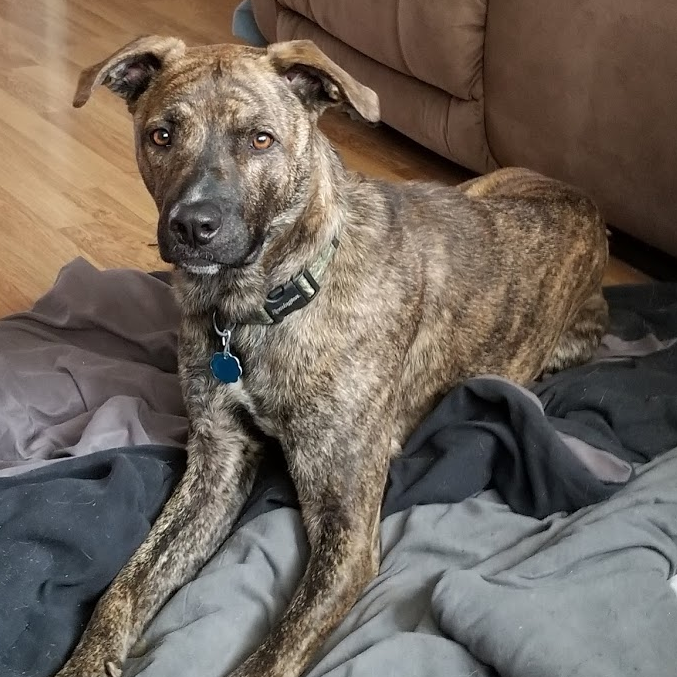
Breed overview
Mountain Cur
A true American working dog, the Mountain Cur was relied upon by frontier settlers to tree game, hunt vermin and guard the family in rough backcountry. It is rugged, fearless and remarkably driven, the sort of dog that genuinely needs a job to feel right. Its short coat sheds moderately and asks for little grooming. This one is not for the faint-hearted, it wants 60 to 120 minutes of hard exercise daily and a home with a yard and space to range. It handles 10 to 26 degrees comfortably, lives 10 to 14 years, and usually costs between ₹30,000 and ₹60,000.
- Origin
- United States 🇺🇸
- Size
- Medium Breed
- Lifespan
- 10 - 14 years
- Buying price
- ₹30,000 - ₹60,000
- Ideal space
- House with backyard
- Weather
- 10 - 26°C
- Coat type
- Short to Medium Coat
Core Behavioral Traits of the Mountain Cur
Nutrition
Meal guidance, safe foods, and macro balance.
Nutritional Guide for Mountain Cur
A rugged working dog, the Mountain Cur can log up to two hours of daily activity, and its bowl should match with 30 percent protein and 15 percent fat for endurance. Adults settle around 1,000 calories while hard-driving pups may need 1,600. Joint care with omega-3 helps protect against hip dysplasia over a long working life. Keep hydration front of mind during intense Indian summers. Monthly feeding costs sit at about ₹2,250 to ₹3,000 for this athletic breed.
At a glance
- Monthly food cost
- ₹2,250 - ₹3,000
- Calories per day
- 1600 / 1000 kcal
Recommended foods
- Cooked deboned chicken providing lean, complete animal protein essential for the Mountain Cur's muscle repair, coat health, and high daily energy levels.
- Premium quality dry kibble formulated for medium breed breeds, delivering balanced macro-nutrients and supporting dental health through mechanical chewing.
- Lean fresh meats including turkey, beef, or lamb delivering complete amino acid profiles to sustain the Mountain Cur's active musculature and metabolic needs.
- Fresh fish rich in marine Omega-3 fatty acids that reinforce the Mountain Cur's brain function, coat condition, joint lubrication, and cardiovascular health.
- Dog-safe fruits like blueberries, apples, and watermelon providing natural antioxidants and vitamins to strengthen the Mountain Cur's immune system without added sugars.
Essential nutrients
- High-quality animal protein from chicken, fish, and meat to fuel the Mountain Cur's high-energy lifestyle and support lean muscle repair
- Omega-3 and Omega-6 essential fatty acids to maintain the Mountain Cur's coat condition, joint lubrication, and cardiovascular health
- Complex low-glycemic carbohydrates providing sustained energy release for the Mountain Cur's daily activity demands
- Prebiotic dietary fiber to regulate the Mountain Cur's bowel transit and support efficient nutrient absorption throughout the digestive system
- Fat and water-soluble vitamins to support the Mountain Cur's immune system, vision, and efficient cellular repair processes
- Calcium, phosphorus, and trace minerals to sustain the Mountain Cur's bone density, dental health, and enzymatic function
Macro breakdown
- Protein30%
High-quality animal proteins from chicken, fish, and meat support lean muscle mass and sustain the Mountain Cur's high daily energy demands.
- Fats15%
Essential Omega-3 and Omega-6 fatty acids from fish oil maintain the Mountain Cur's coat condition, joint lubrication, and cardiovascular function.
- Carbohydrates40%
Complex carbohydrates from grains and vegetables provide sustained energy release and digestive fiber for the Mountain Cur's active lifestyle.
- Fibre5%
Prebiotic dietary fiber promotes smooth intestinal transit and efficient nutrient absorption in the Mountain Cur.
- Vitamins5%
Fat and water-soluble vitamins support the Mountain Cur's immune system, vision, and cellular repair processes throughout all life stages.
- Minerals5%
Calcium, phosphorus, and trace minerals maintain the Mountain Cur's bone density, dental health, and enzymatic function.
Foods to avoid
- Alcohol: Alcohol is acutely toxic to the Mountain Cur's central nervous system and liver, causing vomiting, disorientation, and potentially fatal respiratory depression even in trace amounts.
- Almonds: Almonds is harmful to the Mountain Cur's metabolic system and must be strictly excluded from its diet to prevent toxicity reactions.
- Avocados: Avocado flesh and pit contain persin, a fungicidal toxin that causes vomiting, diarrhea, and myocardial damage in the Mountain Cur.
- Cherries: Cherry pits, stems, and leaves contain cyanogenic glycosides that release hydrogen cyanide in the Mountain Cur's digestive tract, disrupting cellular oxygen uptake.
- Cinnamon: Cinnamon is harmful to the Mountain Cur's metabolic system and must be strictly excluded from its diet to prevent toxicity reactions.
- Coffee / Tea: Caffeine in coffee and tea overstimulates the Mountain Cur's cardiovascular and nervous systems, triggering rapid heart rate, tremors, and seizures in dangerous doses.
Prohibited ingredients
- BHA and BHT synthetic preservatives place unnecessary oxidative stress on the Mountain Cur's liver and kidney tissues, accumulating over time and disrupting hormonal balance.
- Artificial colorants and synthetic dye agents like Red 40 and Yellow 5 offer zero nutritional value while triggering dermal sensitivities and intestinal allergic reactions in the Mountain Cur.
- Xylitol and artificial sweetener compounds cause immediate dangerous insulin surges in the Mountain Cur, leading to acute hypoglycemia and irreversible liver cell destruction.
- Excessive sodium and synthetic flavor enhancers in processed pet food spike blood pressure levels in the Mountain Cur and accelerate the progression of chronic kidney disease.
- Low-quality corn, soy, and wheat gluten fillers trigger systemic inflammatory responses in the Mountain Cur, manifesting as persistent itchy skin rashes and compromised immune function.
Feeding guidelines
- Match calories to workload, feeding more on high-activity days.
- Feed 30 percent protein and 15 percent fat to fuel endurance.
- Add omega-3 to support joints against hip dysplasia.
- Prioritise hydration during long, active days in the heat.
Recommended brands
Health and wellness
Common issues, vaccinations, and daily care.
Healthcare and Preventative Guide for Mountain Cur
The Mountain Cur is a rugged American working and hunting dog with high energy, needing 60 to 120 minutes of vigorous daily activity. Its documented concerns are mainly preventable, including hip dysplasia and infectious risks such as heartworm, parvovirus, and rabies, so strict vaccination and parasite control are essential. This driven breed needs a job and space to roam. In India, exercise it in cooler hours and keep vaccinations current. Expect around ₹600 to ₹1,200 monthly for vaccinations, parasite prevention, and preventive care for this tireless worker.
At a glance
- Energy level
- High
- Monthly cost
- ₹600 - ₹1,200
- Exercise
- 60 - 120 min/day
Hereditary and Common Health Conditions in Mountain Cur
Monitor breed-specific hereditary and common conditions with regular veterinary screening.
- Hip Dysplasia: The Mountain Cur can be predisposed to hip dysplasia, requiring regular veterinary monitoring and targeted preventive care protocols.
- Heartworm: The Mountain Cur can be predisposed to heartworm, requiring regular veterinary monitoring and targeted preventive care protocols.
- Parvovirus: The Mountain Cur can be predisposed to parvovirus, requiring regular veterinary monitoring and targeted preventive care protocols.
- Rabies: The Mountain Cur can be predisposed to rabies, requiring regular veterinary monitoring and targeted preventive care protocols.
Recommended activities
- Offer long hikes, runs, or tracking games that use its stamina.
- Set up scent trails that honour its hunting heritage.
- Practice recall and obedience to focus its independent drive.
- Provide fetch and retrieving work in a secure area.
- Give it a purposeful task to prevent boredom.
Signs of stress
- Coughing or fatigue that could relate to heartworm.
- Vomiting, lethargy, or appetite loss needing urgent veterinary care.
- Stiffness or limping after activity pointing to hip dysplasia.
- Destructiveness or restlessness when under exercised.
- Reluctance to move that may signal illness.
Vaccination schedule
| Growth stage | Vaccines |
|---|---|
| Age 6-7 Weeks | DHPP (Distemper, Hepatitis, Parvovirus, and Parainfluenza) and Bordetella (Kennel Cough) to establish protective immunity for the Mountain Cur |
| Age 9-10 Weeks | DHPP, Bordetella, and Leptospirosis to establish protective immunity for the Mountain Cur |
| Age 12-13 Weeks | DHPP, Leptospirosis, Canine Influenza, and Lyme Disease to establish protective immunity for the Mountain Cur |
| Age 15-17 Weeks | DHPP, Rabies, Canine Influenza, and Lyme Disease to establish protective immunity for the Mountain Cur |
General care tips
- Keep the full vaccination course, including rabies, up to date.
- Maintain strict heartworm and parasite prevention.
- Provide vigorous daily exercise to match its working drive.
- Brush the short coat weekly and check for ticks.
- Feed a balanced diet to fuel its active lifestyle.
Senior care
- Trim exercise to steady, moderate sessions as stamina fades.
- Continue vaccinations and parasite control diligently.
- Support the hips with vet advised joint care.
- Offer a comfortable bed after active days.
Grooming
Coat care, hygiene, and shedding notes.
Keeping Mountain Cur tidy
Mountain Curs have a short dense coat that sheds moderately and provides natural protection for their rugged outdoor lifestyle. This hardy American hunting breed's practical coat handles Indian conditions well, drying quickly after monsoon rain. Their active trail life means regular tick checks and post-exercise grooming are priorities. The coat requires minimal professional intervention. Monthly costs stay affordable at ₹700 to ₹1,200 for this no-nonsense working breed.
At a glance
- Shedding level
- Moderate Shedding
- Monthly cost
- ₹700 - ₹1,200
Hygiene checklist
- A quick weekly brush with a soft curry brush keeps the Mountain Cur's short to medium coat tidy and stops dust from hanging on after park time.
- For the Mountain Cur, a bath every month or so is usually enough unless rainy weather or outdoor play makes the coat grimy.
- Check the ears weekly, especially if the Mountain Cur spends time in grass, dust, or damp monsoon weather. A quick paw and belly check after active play also helps catch mud or ticks early.
- Keep the nails short on the Mountain Cur; it saves the furniture and keeps the gait smoother on slippery floors.
- A few minutes of tooth brushing each week keeps the Mountain Cur's mouth fresher and the vet visits less dramatic.
Grooming benefits
- Keeps loose hair from building up on furniture and clothing around the house.
- Makes the Mountain Cur's coat stay neat without turning grooming into a full-time job.
- Helps the skin and coat look healthier in dusty, humid Indian weather.
- After active play, gives you an easy chance to spot ear or skin issues before they turn into a problem.
- Keeps the dog more comfortable after walks, play, and general daily mess.
Adopt and shop
Buying guidance, adoption guidance, and monthly costs.
How to Approach a Mountain Cur Purchase or Adoption
A Mountain Cur can be a wonderful fit when the home is ready for its size, coat and energy level. This breed tends to do best where there is enough room, enough time for exercise and a clear plan for feeding, training and vet care. With a price range of ?30,000 to ?60,000, the real question is not just what the dog costs today, but whether the household can support it well for 10 to 14 years.
At a glance
- Market price
- ₹30,000 - ₹60,000
General overview
- Make sure the upfront cost of ?30,000 to ?60,000 sits comfortably inside your budget before you move ahead.
- Check that your home and routine can support a medium breed dog that suits a house with backyard more naturally than a rushed setup.
- Keep the short to medium coat in mind, because coat care and climate comfort are part of the long-term picture.
- Ask yourself whether you are ready for a dog whose temperament will need structure and patient handling over a life of about 10 to 14 years.
Buying guidelines
- Ask for clear pedigree, age and lineage details so you know exactly what you are paying for in a Mountain Cur.
- Review vaccination, deworming and health records before you agree to the handover, not after.
- Visit the breeder or seller in person so you can see how the puppy is housed, handled and socialized.
- Make sure the puppy has been checked for common breed concerns and is ready to move into house with backyard living.
- If possible, get written support on health and early care so the first few weeks feel more manageable, especially for a short to medium coat and a temperament that leans active.
Adoption guidelines
- Check rescue groups and shelters first, because a good match can come from adoption rather than purchase.
- Ask for any medical notes, behaviour history and recent vet information so you understand the dog before bringing it home.
- Spend time with the dog in person if possible, because temperament and handling are easier to judge face to face than on paper.
- Prepare a calm first-week setup with food, water, bedding and a quiet corner, especially if the dog is adjusting to a new house with backyard environment.
- A short to medium coat and a personality that tends toward routine and companionship both benefit from a slow, patient start and a vet check soon after adoption.
Monthly expense summary
- Monthly care₹3,550 - ₹5,400
- Food₹2,250 - ₹3,000
- Grooming₹700 - ₹1,200
- Health₹600 - ₹1,200
Frequently asked questions
Common questions about the Mountain Cur.
What are the common health issues in the Mountain Cur?
The Mountain Cur can be prone to conditions such as Hip Dysplasia, Heartworm, and Parvovirus. Not every dog will develop these, but routine veterinary checkups, a balanced diet, and a healthy weight go a long way in early detection and prevention.
How much activity does the Mountain Cur need?
Plan for about 60 to 120 minutes of activity each day for the Mountain Cur. This is an energetic breed, so a mix of walks, active play, and mental challenges works best to prevent boredom and restlessness.
Is the Mountain Cur suited to the Indian climate?
The Mountain Cur adapts reasonably well to most parts of India, being most comfortable around 10 to 26 degrees Celsius. Even so, provide shade and fresh water through the hottest months and avoid activity during the hottest part of the day. Basic heat precautions keep this dog healthy across Indian conditions.
What is the price of a Mountain Cur in India?
A Mountain Cur puppy in India typically costs ₹30,000 to ₹60,000, depending on lineage, breeder reputation, and city. Always choose an ethical breeder who shares health and vaccination records, and consider adoption as a rewarding alternative.
Does the Mountain Cur need a house with a yard?
The Mountain Cur is happiest with more room to move and ideally suits a house with a backyard. Access to a secure outdoor space helps it burn off energy, though committed daily exercise can still make apartment life workable for this dog.
Does the Mountain Cur shed a lot?
The Mountain Cur has a shedding level described as moderate shedding. Regular brushing helps control loose hair around the home and keeps the short to medium coat in good condition.
Is the Mountain Cur easy to train?
The Mountain Cur tends to be quick to learn thanks to its intelligent nature. Short, consistent sessions with positive reinforcement bring the best results, and early socialisation helps this dog grow into a well mannered companion.