
Breed overview
Maltese
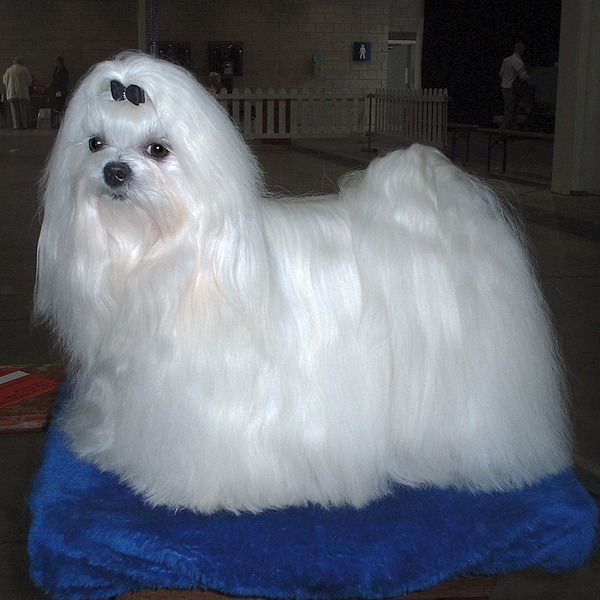
Draped in a coat of pure white silk, the Maltese has charmed Mediterranean nobility for more than two thousand years, taking its name from the island of Malta. Beneath the glamorous coat is a fearless, playful little dog who bonds closely and thrives on affection. That long coat sheds very little but needs daily brushing to stay free of tangles, especially in humid conditions. Maltese are ideal apartment companions, needing only 20 to 30 minutes of light daily activity and plenty of lap time. Gentle, spirited and long-lived at 12 to 15 years, they generally cost ₹25,000 to ₹80,000.
- Origin
- Malta 🌍
- Size
- Small Breed
- Lifespan
- 12 - 15 years
- Buying price
- ₹25,000 - ₹80,000
- Ideal space
- Apartment
- Weather
- 15 - 25°C
- Coat type
- Short to Medium Coat
Core Behavioral Traits of the Maltese
Nutrition
Meal guidance, safe foods, and macro balance.
Nutritional Guide for Maltese
The Maltese is a delicate toy breed needing only about 350 calories, so tiny, precise portions prevent both obesity and knee strain. Its bright white coat shines with omega-3 and omega-6, and small, crunchy kibble helps manage the dental disease toy dogs commonly develop. Because liver shunts occur in the breed, any diet concerns around protein should be guided by your vet. Keep fresh water available. A month of quality food costs around ₹1,200 to ₹1,800.
At a glance
- Monthly food cost
- ₹1,200 - ₹1,800
- Calories per day
- 400 / 350 kcal
Recommended foods
- Premium quality dry kibble formulated for small breed breeds, delivering balanced macro-nutrients and supporting dental health through mechanical chewing.
- Lean fresh meats including turkey, beef, or lamb delivering complete amino acid profiles to sustain the Maltese's active musculature and metabolic needs.
- Fresh fish rich in marine Omega-3 fatty acids that reinforce the Maltese's brain function, coat condition, joint lubrication, and cardiovascular health.
- Veterinarian-approved home-cooked meals with balanced protein, carbohydrates, and fats providing a wholesome, additive-free alternative for the Maltese's daily nutritional needs.
- Cooked dog-safe vegetables such as carrots, sweet potatoes, and green beans supplying essential fiber, minerals, and vitamins to support the Maltese's digestive health.
Essential nutrients
- Complex low-glycemic carbohydrates providing sustained energy release for the Maltese's daily activity demands
- High-quality animal protein from chicken, fish, and meat to fuel the Maltese's moderately active lifestyle and support lean muscle repair
- Omega-3 and Omega-6 essential fatty acids to maintain the Maltese's coat condition, joint lubrication, and cardiovascular health
- Fat and water-soluble vitamins to support the Maltese's immune system, vision, and efficient cellular repair processes
- Prebiotic dietary fiber to regulate the Maltese's bowel transit and support efficient nutrient absorption throughout the digestive system
- Calcium, phosphorus, and trace minerals to sustain the Maltese's bone density, dental health, and enzymatic function
Macro breakdown
- Carbohydrates45%
Complex carbohydrates from grains and vegetables provide sustained energy release and digestive fiber for the Maltese's active lifestyle.
- Protein25%
High-quality animal proteins from chicken, fish, and meat support lean muscle mass and sustain the Maltese's moderate daily energy demands.
- Fats15%
Essential Omega-3 and Omega-6 fatty acids from fish oil maintain the Maltese's coat condition, joint lubrication, and cardiovascular function.
- Vitamins5%
Fat and water-soluble vitamins support the Maltese's immune system, vision, and cellular repair processes throughout all life stages.
- Fibre5%
Prebiotic dietary fiber promotes smooth intestinal transit and efficient nutrient absorption in the Maltese.
- Minerals5%
Calcium, phosphorus, and trace minerals maintain the Maltese's bone density, dental health, and enzymatic function.
Foods to avoid
- Almonds: Almonds is harmful to the Maltese's metabolic system and must be strictly excluded from its diet to prevent toxicity reactions.
- Avocados: Avocado flesh and pit contain persin, a fungicidal toxin that causes vomiting, diarrhea, and myocardial damage in the Maltese.
- Cherries: Cherry pits, stems, and leaves contain cyanogenic glycosides that release hydrogen cyanide in the Maltese's digestive tract, disrupting cellular oxygen uptake.
- Grapes: Grapes and raisins contain unknown nephrotoxic compounds that cause sudden acute kidney failure in the Maltese, often with no early warning symptoms.
- Lemon: Lemon is harmful to the Maltese's metabolic system and must be strictly excluded from its diet to prevent toxicity reactions.
- Milk Products: Milk Products is harmful to the Maltese's metabolic system and must be strictly excluded from its diet to prevent toxicity reactions.
Prohibited ingredients
- BHA and BHT synthetic preservatives place unnecessary oxidative stress on the Maltese's liver and kidney tissues, accumulating over time and disrupting hormonal balance.
- Artificial colorants and synthetic dye agents like Red 40 and Yellow 5 offer zero nutritional value while triggering dermal sensitivities and intestinal allergic reactions in the Maltese.
- Xylitol and artificial sweetener compounds cause immediate dangerous insulin surges in the Maltese, leading to acute hypoglycemia and irreversible liver cell destruction.
- Excessive sodium and synthetic flavor enhancers in processed pet food spike blood pressure levels in the Maltese and accelerate the progression of chronic kidney disease.
- Low-quality corn, soy, and wheat gluten fillers trigger systemic inflammatory responses in the Maltese, manifesting as persistent itchy skin rashes and compromised immune function.
Feeding guidelines
- Feed tiny, measured portions to protect the delicate joints of this toy breed.
- Include omega fatty acids to keep the white coat bright and the skin supple.
- Offer small crunchy kibble and dental care to fight tartar in a small mouth.
- Discuss protein levels with your vet if your Maltese has liver shunt concerns.
Recommended brands
Health and wellness
Common issues, vaccinations, and daily care.
Healthcare and Preventative Guide for Maltese
The Maltese is a gentle, medium-energy toy breed content with 20 to 30 minutes of light daily activity. Its silky white coat needs regular grooming to stay tangle-free. The breed can face the heart defect patent ductus arteriosus, luxating patella, liver shunts, and dental disease, so routine vet checks and dental care are important. Small and delicate, it needs careful handling and protection from India's temperature extremes. This affectionate lapdog thrives on close human company. Monthly care usually costs ₹900 to ₹1,800.
At a glance
- Energy level
- Medium
- Monthly cost
- ₹900 - ₹1,800
- Exercise
- 20 - 30 min/day
Hereditary and Common Health Conditions in Maltese
Monitor breed-specific hereditary and common conditions with regular veterinary screening.
- Patent Ductus Arteriosus (PDA): PDA is a condition where the ductus arteriosus(the opening between two major blood vessels in the heart that closes soon after birth)does not close. This condition causes abnormalities in the blood flow and causes pressure on the left side of the heart, eventually leading to heart failure. Surgery can be the best bet to cure this condition. loom for symptoms like exercise intolerance, breathing difficulties, and stunted growth, and consult the veterinarians immediately.
- Luxating Patella: This is an inherited condition in Maltese dogs where the knee cap is dislocated from its original position. Depending on the severity of the condition, surgery or any kind of medication is recommended.
- Liver Shunts: This is a condition observed in Maltese where there is an abnormal vein crossing the liver, bypassing the normal functioning of filtration of toxins, medication, and wastes from blood. This causes stunted growth, disorientation, and seizures. This needs vet intervention and can be treated through medication and surgery if needed.
- Dental issues: Like any other toy breed, Maltese are also at a higher risk of dental problems. This includes dental decay, bad breath, and loss of teeth. If left untreated, they can even cause organ failure in your Maltese. This can be prevented by regular teeth cleaning and vet intervention when needed.
Recommended activities
- Short, gentle walks in mild weather suit its small size.
- Light indoor fetch with soft toys provides safe play.
- Trick training engages this clever little dog.
- Treat puzzles keep the mind pleasantly busy.
- Calm socialisation builds a confident, happy temperament.
Signs of stress
- Tiring quickly or coughing that could signal a heart defect.
- Skipping or lifting a hind leg from a luxating kneecap.
- Confusion, poor growth, or digestive upset linked to a liver shunt.
- Bad breath or difficulty eating from dental disease.
- Trembling or hiding when stressed or handled roughly.
Vaccination schedule
| Growth stage | Vaccines |
|---|---|
| Age 6-8 weeks | Distemper, hepatitis, parvovirus, and leptospirosis to establish protective immunity for the Maltese |
| Age 10-12 weeks | Second dose of distemper, hepatitis, parvovirus, and leptospirosis to establish protective immunity for the Maltese |
| Age 14-16 weeks | Rabies to establish protective immunity for the Maltese |
| Age 1 year | Booster of distemper, hepatitis, parvovirus, leptospirosis, and rabies to establish protective immunity for the Maltese |
General care tips
- Brush the silky coat daily to prevent tangles and mats.
- Brush teeth regularly, as toy breeds face heavy dental disease.
- Schedule vet checks to monitor the heart early in life.
- Handle gently and protect the small frame from injury.
- Buffer this delicate dog from heat and cold extremes.
Senior care
- Keep walks short and gentle as energy fades.
- Continue dental care and heart monitoring.
- Provide warm, soft bedding and steady companionship.
- Watch for vision changes and keep the home layout stable.
Grooming
Coat care, hygiene, and shedding notes.
Keeping Maltese tidy
The Maltese has a short to medium coat with low shedding that appears silky and white when well maintained. In India, dust, pollution, and monsoon mud quickly stain their pristine fur, requiring frequent bathing and coat protection. Their fine hair tangles faster in humid air than in drier climates. Tear staining is a constant battle with this breed's prominent eyes and white face. Monthly grooming runs ₹1,200 to ₹1,800, reflecting the effort needed to keep their coat white and healthy.
At a glance
- Shedding level
- Low Shedding
- Monthly cost
- ₹1,200 - ₹1,800
Hygiene checklist
- A quick weekly brush with a soft curry brush keeps the Maltese's short to medium coat tidy and stops dust from hanging on after park time.
- For the Maltese, a bath every month or so is usually enough unless rainy weather or outdoor play makes the coat grimy.
- Check the ears weekly, especially if the Maltese spends time in grass, dust, or damp monsoon weather.
- Keep the nails short on the Maltese; it saves the furniture and keeps the gait smoother on slippery floors.
- A few minutes of tooth brushing each week keeps the Maltese's mouth fresher and the vet visits less dramatic.
Grooming benefits
- Keeps loose hair from building up on furniture and clothing around the house.
- Makes the Maltese's coat stay neat without turning grooming into a full-time job.
- Helps the skin and coat look healthier in dusty, humid Indian weather.
- Gives you an easy chance to spot ear or skin issues before they turn into a problem.
- Keeps the dog more comfortable after walks, play, and general daily mess.
Adopt and shop
Buying guidance, adoption guidance, and monthly costs.
Maltese Guide: Before You Decide to Buy or Adopt
If you are considering a Maltese, it helps to look past the cute photos and think about daily life. This small breed dog usually settles best in a apartment, especially when the routine is steady and the exercise plan is realistic. The short to medium coat also affects upkeep, so grooming and climate comfort should be part of the decision from day one. Expect the purchase price to sit around ?25,000 to ?80,000, and plan for a companion that can stay with the family for about 12 to 15 years.
At a glance
- Market price
- ₹25,000 - ₹80,000
General overview
- Make sure the upfront cost of ?25,000 to ?80,000 sits comfortably inside your budget before you move ahead.
- Check that your home and routine can support a small breed dog that suits a apartment more naturally than a rushed setup.
- Keep the short to medium coat in mind, because coat care and climate comfort are part of the long-term picture.
- Ask yourself whether you are ready for a dog whose temperament will need structure and patient handling over a life of about 12 to 15 years.
Buying guidelines
- Ask for clear pedigree, age and lineage details so you know exactly what you are paying for in a Maltese.
- Review vaccination, deworming and health records before you agree to the handover, not after.
- Visit the breeder or seller in person so you can see how the puppy is housed, handled and socialized.
- Make sure the puppy has been checked for common breed concerns and is ready to move into apartment living.
- If possible, get written support on health and early care so the first few weeks feel more manageable, especially for a short to medium coat and a temperament that leans active.
Adoption guidelines
- Check rescue groups and shelters first, because a good match can come from adoption rather than purchase.
- Ask for any medical notes, behaviour history and recent vet information so you understand the dog before bringing it home.
- Spend time with the dog in person if possible, because temperament and handling are easier to judge face to face than on paper.
- Prepare a calm first-week setup with food, water, bedding and a quiet corner, especially if the dog is adjusting to a new apartment environment.
- A short to medium coat and a personality that tends toward routine and companionship both benefit from a slow, patient start and a vet check soon after adoption.
Monthly expense summary
- Monthly care₹3,300 - ₹5,400
- Food₹1,200 - ₹1,800
- Grooming₹1,200 - ₹1,800
- Health₹900 - ₹1,800
Frequently asked questions
Common questions about the Maltese.
What are the common health issues in the Maltese?
The Maltese can be prone to conditions such as Patent Ductus Arteriosus (PDA), Luxating Patella, and Liver Shunts. Not every dog will develop these, but routine veterinary checkups, a balanced diet, and a healthy weight go a long way in early detection and prevention.
Can I keep a Maltese in an apartment?
Yes, the Maltese is well suited to apartment living. It stays content indoors as long as it gets its daily activity and mental stimulation. Set aside a quiet resting spot and keep to a predictable routine so this dog feels secure in a smaller space.
Is the Maltese suited to the Indian climate?
The Maltese adapts reasonably well to most parts of India, being most comfortable around 15 to 25 degrees Celsius. Even so, provide shade and fresh water through the hottest months and avoid activity during the hottest part of the day. Basic heat precautions keep this dog healthy across Indian conditions.
What is the price of a Maltese in India?
A Maltese puppy in India typically costs ₹25,000 to ₹80,000, depending on lineage, breeder reputation, and city. Always choose an ethical breeder who shares health and vaccination records, and consider adoption as a rewarding alternative.
Does the Maltese shed a lot?
The Maltese has a shedding level described as low shedding. This makes grooming easier, though regular brushing still keeps the coat and skin healthy.
Is the Maltese easy to train?
The Maltese tends to be quick to learn thanks to its intelligent nature. Short, consistent sessions with positive reinforcement bring the best results, and early socialisation helps this dog grow into a well mannered companion.
What is the temperament of the Maltese?
The Maltese is known for being Playful, Loyal, Intelligent, and Fearless. With a medium energy level, this dog does best when its social and mental needs are met through regular interaction and enrichment. They are best suited to an apartment and settle in well when their daily routine is consistent.
How much activity does the Maltese need?
Plan for about 20 to 30 minutes of activity each day for the Maltese. A steady routine of walks and light play keeps this breed fit without overexertion.