
Breed overview
Indian Spitz
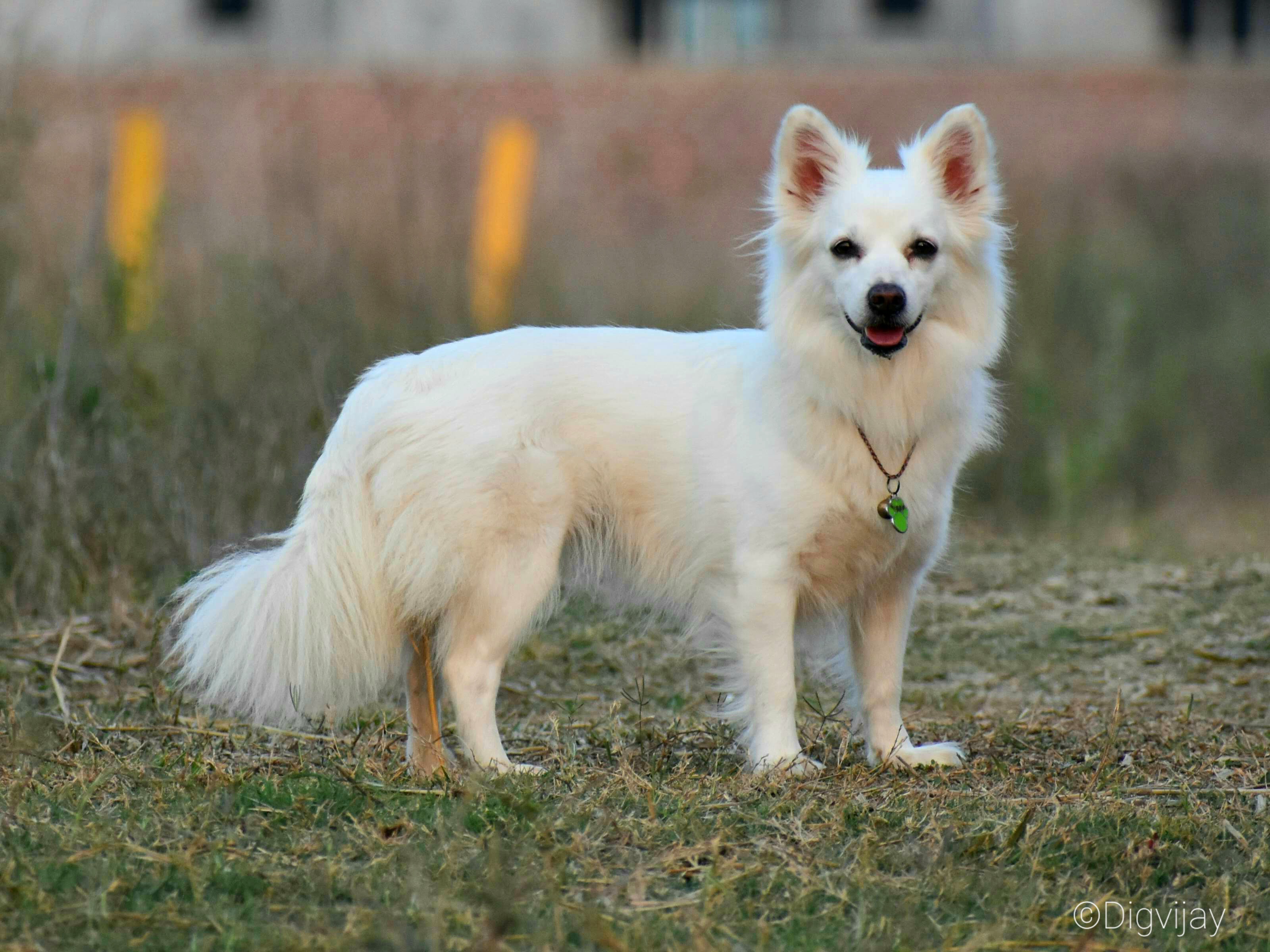
Generations of Indian families grew up with the Indian Spitz, the fluffy white dog that became a household favourite in the decades when imported breeds were scarce. Bred to thrive in our climate, it is far more heat tolerant than its Pomeranian lookalikes, handling a wide range from about 10 to 30 degrees with ease. Smart, playful, and alert, it makes an excellent apartment companion and watchdog, needing only 30 to 60 minutes of daily activity. The double coat sheds moderately and wants regular brushing to stay fluffy. Affordable and widely available at around ₹5,000 to ₹30,000, this cheerful, low fuss dog stays with the family for about 12 to 15 years.
- Origin
- India 🇮🇳
- Size
- Small Breed
- Lifespan
- 12 - 15 years
- Buying price
- ₹5,000 - ₹30,000
- Ideal space
- Apartment
- Weather
- 10 - 30°C
- Coat type
- Double Coat
Core Behavioral Traits of the Indian Spitz
Nutrition
Meal guidance, safe foods, and macro balance.
Nutritional Guide for Indian Spitz
A beloved Indian household favourite, the Indian Spitz is prone to obesity, so its roughly 1,000 adult calories must be measured carefully, with pups a bit higher near 1,500. Overfeeding and table scraps quickly add weight that stresses the hips, so keep treats modest. A balanced diet around 25 percent protein maintains muscle, while omega fats keep the fluffy double coat healthy in warm, humid conditions. Feed two portions daily. Well suited to local foods, monthly feeding generally costs ₹1,200 to ₹1,800.
At a glance
- Monthly food cost
- ₹1,200 - ₹1,800
- Calories per day
- 1500 / 1000 kcal
Recommended foods
- Premium quality dry kibble formulated for small breed breeds, delivering balanced macro-nutrients and supporting dental health through mechanical chewing.
- Lean fresh meats including turkey, beef, or lamb delivering complete amino acid profiles to sustain the Indian Spitz's active musculature and metabolic needs.
- Fresh fish rich in marine Omega-3 fatty acids that reinforce the Indian Spitz's brain function, coat condition, joint lubrication, and cardiovascular health.
- Cooked dog-safe vegetables such as carrots, sweet potatoes, and green beans supplying essential fiber, minerals, and vitamins to support the Indian Spitz's digestive health.
- Veterinarian-approved home-cooked meals with balanced protein, carbohydrates, and fats providing a wholesome, additive-free alternative for the Indian Spitz's daily nutritional needs.
Essential nutrients
- Complex low-glycemic carbohydrates providing sustained energy release for the Indian Spitz's daily activity demands
- Omega-3 and Omega-6 essential fatty acids to maintain the Indian Spitz's coat condition, joint lubrication, and cardiovascular health
- High-quality animal protein from chicken, fish, and meat to fuel the Indian Spitz's moderately active lifestyle and support lean muscle repair
- Calcium, phosphorus, and trace minerals to sustain the Indian Spitz's bone density, dental health, and enzymatic function
- Fat and water-soluble vitamins to support the Indian Spitz's immune system, vision, and efficient cellular repair processes
Macro breakdown
- Carbohydrates50%
Complex carbohydrates from grains and vegetables provide sustained energy release and digestive fiber for the Indian Spitz's active lifestyle.
- Fats15%
Essential Omega-3 and Omega-6 fatty acids from fish oil maintain the Indian Spitz's coat condition, joint lubrication, and cardiovascular function.
- Protein25%
High-quality animal proteins from chicken, fish, and meat support lean muscle mass and sustain the Indian Spitz's moderate daily energy demands.
- Minerals5%
Calcium, phosphorus, and trace minerals maintain the Indian Spitz's bone density, dental health, and enzymatic function.
- Vitamins5%
Fat and water-soluble vitamins support the Indian Spitz's immune system, vision, and cellular repair processes throughout all life stages.
Foods to avoid
- Avocados: Avocado flesh and pit contain persin, a fungicidal toxin that causes vomiting, diarrhea, and myocardial damage in the Indian Spitz.
- Alcohol: Alcohol is acutely toxic to the Indian Spitz's central nervous system and liver, causing vomiting, disorientation, and potentially fatal respiratory depression even in trace amounts.
- Dairy: Most adult Indian Spitzs lack sufficient lactase enzymes, making dairy products a cause of painful bloating, loose stools, and chronic gastrointestinal distress.
- Cherries: Cherry pits, stems, and leaves contain cyanogenic glycosides that release hydrogen cyanide in the Indian Spitz's digestive tract, disrupting cellular oxygen uptake.
- Cinnamon: Cinnamon is harmful to the Indian Spitz's metabolic system and must be strictly excluded from its diet to prevent toxicity reactions.
- Coffee / Tea: Caffeine in coffee and tea overstimulates the Indian Spitz's cardiovascular and nervous systems, triggering rapid heart rate, tremors, and seizures in dangerous doses.
Prohibited ingredients
- BHA and BHT synthetic preservatives place unnecessary oxidative stress on the Indian Spitz's liver and kidney tissues, accumulating over time and disrupting hormonal balance.
- Artificial colorants and synthetic dye agents like Red 40 and Yellow 5 offer zero nutritional value while triggering dermal sensitivities and intestinal allergic reactions in the Indian Spitz.
- Xylitol and artificial sweetener compounds cause immediate dangerous insulin surges in the Indian Spitz, leading to acute hypoglycemia and irreversible liver cell destruction.
- Excessive sodium and synthetic flavor enhancers in processed pet food spike blood pressure levels in the Indian Spitz and accelerate the progression of chronic kidney disease.
- Low-quality corn, soy, and wheat gluten fillers trigger systemic inflammatory responses in the Indian Spitz, manifesting as persistent itchy skin rashes and compromised immune function.
Feeding guidelines
- Measure portions carefully, since this breed is prone to obesity.
- Keep treats and table scraps modest to protect the hips.
- Provide omega fats to maintain the fluffy coat in humid conditions.
- Feed two portions daily using suitable local foods.
Recommended brands
Health and wellness
Common issues, vaccinations, and daily care.
Healthcare and Preventative Guide for Indian Spitz
The Indian Spitz is a smart, adaptable companion that has long thrived in Indian homes. Its documented concerns are obesity, hip dysplasia, canine distemper, and heartworm, so careful portion control, joint care, current vaccines, and monthly heartworm prevention are the priorities. It needs a modest 30 to 60 minutes of daily activity plus mental play. Its fluffy double coat needs regular brushing and cool-hour exercise in the heat. Monthly care is affordable, generally around ₹900 to ₹1,800.
At a glance
- Energy level
- Medium
- Monthly cost
- ₹900 - ₹1,800
- Exercise
- 30 - 60 min/day
Hereditary and Common Health Conditions in Indian Spitz
Monitor breed-specific hereditary and common conditions with regular veterinary screening.
- Obesity: Indian Spitz are more prone to weight gain. By over-feeding your dog they gain weight and, in turn, it leads to obesity. This can be prevented by giving them adequate exercise and a balanced diet.
- Hip dysplasia: This condition is very commonly found in dogs especially as they age. The hip joint does not fit into the hip socket and causes pain and eventually arthritis. This needs immediate medical intervention and treatment depends on the severity of the condition.
- Canine Distemper: This is a highly contagious viral disease that affects a dog’s respiratory, gastrointestinal, and central nervous systems and can be prevented by vaccination.
- Heartworm: This is mosquito-transmitted disease that causes cough, lethargy, exercise intolerance, collapse, and sudden death in dogs.
Recommended activities
- Take daily walks paired with lively indoor play.
- Practice trick training to engage its clever mind.
- Use puzzle toys and gentle fetch for stimulation.
- Include family games since it bonds closely.
- Offer short cool-hour outings to explore and sniff.
Signs of stress
- Weight gain that strains joints and overall health.
- Limping or reluctance to jump hinting at hip issues.
- Coughing or fatigue that may indicate heartworm.
- Nasal discharge or lethargy suggesting distemper.
- Excessive barking or restlessness when bored.
Vaccination schedule
| Growth stage | Vaccines |
|---|---|
| Age 6-7 Weeks | DHPP (Distemper, Hepatitis, Parvovirus, and Parainfluenza) and Bordetella (Kennel Cough) to establish protective immunity for the Indian Spitz |
| Age 9-10 Weeks | DHPP, Bordetella, and Leptospirosis to establish protective immunity for the Indian Spitz |
| Age 12-13 Weeks | DHPP, Leptospirosis, Canine Influenza, and Lyme Disease to establish protective immunity for the Indian Spitz |
| Age 15-17 Weeks | DHPP, Rabies, Canine Influenza, and Lyme Disease to establish protective immunity for the Indian Spitz |
General care tips
- Measure meals carefully to prevent obesity.
- Brush the double coat regularly to manage shedding.
- Keep vaccines and heartworm prevention current.
- Give daily exercise plus mental engagement.
- Exercise in cool hours with water available.
Senior care
- Keep exercise light and watch the weight closely.
- Add joint support as your vet recommends.
- Maintain vaccine and heartworm routines into old age.
Grooming
Coat care, hygiene, and shedding notes.
Grooming notes for Indian Spitz
Indian Spitz dogs have a fluffy double coat with a profuse ruff and plumed tail that sheds moderately but creates impressive fur volume for their small size. Well-adapted to Indian conditions through decades of selective breeding, they handle the climate better than imported Spitz breeds but still need regular brushing to prevent matting. Their cheerful temperament and compact size make grooming manageable. Budget ₹1,200 to ₹1,800 monthly for regular deshedding and coat maintenance this popular Indian companion needs.
At a glance
- Shedding level
- Moderate Shedding
- Monthly cost
- ₹1,200 - ₹1,800
Hygiene checklist
- Use an undercoat rake or slicker brush three to four times a week to pull out the loose fur trapped in the Indian Spitz's double coat.
- When the Indian Spitz gets a bath, the drying stage matters just as much as the wash, especially in humid weather.
- On humid days, make time to look over the Indian Spitz's skin and hidden spots where the coat can hold moisture.
- Trim the nails every two to three weeks so the Indian Spitz stays comfortable and does not slip around indoors.
- Dental brushing should stay part of the routine for the Indian Spitz; thick coats do not cancel out tartar problems.
Grooming benefits
- Cuts down the amount of shed undercoat floating around the house.
- Helps the Indian Spitz handle heat and humidity by keeping the coat aired out properly.
- Prevents tangles and trapped moisture from turning into skin trouble.
- Makes the coat easier to live with during heavy shedding seasons.
- Helps you catch hot spots, irritation, or paw issues early.
Adopt and shop
Buying guidance, adoption guidance, and monthly costs.
Thinking About a Indian Spitz? Start Here
If you are considering a Indian Spitz, it helps to look past the cute photos and think about daily life. This small breed dog usually settles best in a apartment, especially when the routine is steady and the exercise plan is realistic. The double coat also affects upkeep, so grooming and climate comfort should be part of the decision from day one. Expect the purchase price to sit around ?5,000 to ?30,000, and plan for a companion that can stay with the family for about 12 to 15 years.
At a glance
- Market price
- ₹5,000 - ₹30,000
General overview
- Make sure the upfront cost of ?5,000 to ?30,000 sits comfortably inside your budget before you move ahead.
- Check that your home and routine can support a small breed dog that suits a apartment more naturally than a rushed setup.
- Keep the double coat in mind, because coat care and climate comfort are part of the long-term picture.
- Ask yourself whether you are ready for a dog whose temperament will need structure and patient handling over a life of about 12 to 15 years.
Buying guidelines
- Ask for clear pedigree, age and lineage details so you know exactly what you are paying for in a Indian Spitz.
- Review vaccination, deworming and health records before you agree to the handover, not after.
- Visit the breeder or seller in person so you can see how the puppy is housed, handled and socialized.
- Make sure the puppy has been checked for common breed concerns and is ready to move into apartment living.
- If possible, get written support on health and early care so the first few weeks feel more manageable, especially for a double coat and a temperament that leans active.
Adoption guidelines
- Check rescue groups and shelters first, because a good match can come from adoption rather than purchase.
- Ask for any medical notes, behaviour history and recent vet information so you understand the dog before bringing it home.
- Spend time with the dog in person if possible, because temperament and handling are easier to judge face to face than on paper.
- Prepare a calm first-week setup with food, water, bedding and a quiet corner, especially if the dog is adjusting to a new apartment environment.
- A double coat and a personality that tends toward routine and companionship both benefit from a slow, patient start and a vet check soon after adoption.
Monthly expense summary
- Monthly care₹3,300 - ₹5,400
- Food₹1,200 - ₹1,800
- Grooming₹1,200 - ₹1,800
- Health₹900 - ₹1,800
Frequently asked questions
Common questions about the Indian Spitz.
What are the common health issues in the Indian Spitz?
The Indian Spitz can be prone to conditions such as Obesity, Hip dysplasia, and Canine Distemper. Not every dog will develop these, but routine veterinary checkups, a balanced diet, and a healthy weight go a long way in early detection and prevention.
Can the Indian Spitz handle hot Indian summers?
The Indian Spitz is more comfortable in cooler conditions, ideally around 10 to 30 degrees Celsius, so India's hot summers need careful management. Keep this dog indoors during peak afternoon heat, provide constant fresh water and shade, and save active play for the early morning and late evening. In warmer cities, air conditioning or good ventilation makes a big difference to its comfort.
Can I keep a Indian Spitz in an apartment?
Yes, the Indian Spitz is well suited to apartment living. It stays content indoors as long as it gets its daily activity and mental stimulation. Set aside a quiet resting spot and keep to a predictable routine so this dog feels secure in a smaller space.
What is the price of a Indian Spitz in India?
A Indian Spitz puppy in India typically costs ₹5,000 to ₹30,000, depending on lineage, breeder reputation, and city. Always choose an ethical breeder who shares health and vaccination records, and consider adoption as a rewarding alternative.
Does the Indian Spitz shed a lot?
The Indian Spitz has a shedding level described as moderate shedding. Regular brushing helps control loose hair around the home and keeps the double coat in good condition.
Is the Indian Spitz easy to train?
The Indian Spitz tends to be quick to learn thanks to its intelligent nature. Short, consistent sessions with positive reinforcement bring the best results, and early socialisation helps this dog grow into a well mannered companion.
What is the temperament of the Indian Spitz?
The Indian Spitz is known for being Playful, Protective, Loyal, and Intelligent. With a medium energy level, this dog does best when its social and mental needs are met through regular interaction and enrichment. They are best suited to an apartment and settle in well when their daily routine is consistent.