
Breed overview
Toyger
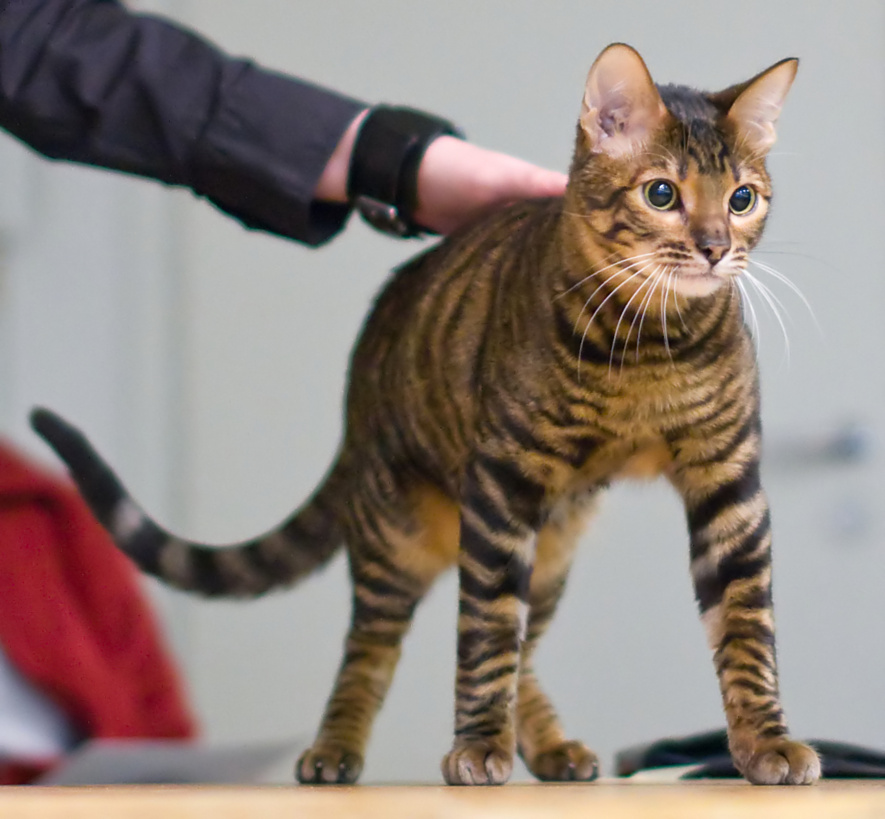
Bred quite deliberately to resemble a tiny tiger, the Toyger carries bold vertical stripes across a muscular, glowing coat, the vision of a breeder who wanted a house cat that could inspire awe for the big cats. It descends from Bengal lines, so it is athletic and clever, keen on climbing, chasing and puzzle play. Happily, all that wild appearance comes with a friendly, trainable and affectionate nature well suited to apartment life around 18 to 24 degrees. As a rare designer breed, the Toyger commands a high price of ₹1,00,000 to ₹3,00,000, and it typically shares your home for 12 to 15 years.
- Origin
- United States 🇺🇸
- Size
- Medium Breed
- Lifespan
- 12 - 15 years
- Buying price
- ₹1,00,000 - ₹3,00,000
- Ideal space
- Apartment
- Weather
- 18 - 24°C
- Coat type
- Short, Dense Coat
Top traits
Nutrition
Meal guidance, safe foods, and macro balance.
Nutritional Guide for Toyger
Bred to resemble a tiny tiger, the Toyger is muscular and active, thriving on meat-forward meals that hold lean condition. Taurine-complete recipes are important because heart murmurs and HCM appear in the line. Urinary infections make moisture valuable, so wet food and steady water intake help, and omega-3 fatty acids offer joint support given the patellar concerns. Measured portions keep obesity away in quieter periods. Adults generally need around 300 calories daily, and monthly feeding usually costs between ₹1,500 to ₹2,000.
At a glance
- Monthly food cost
- ₹1,500 - ₹2,000
- Calories per day
- 250 / 300 kcal
Recommended foods
- Dry Kibble
- Wet Food
- Semi-moist Cat Food:
- Cooked Chicken
- Cooked Turkey
Essential nutrients
- High-grade animal protein (chicken, turkey, fish) to fuel the Toyger's high daily activity and muscle repair cycles
- Taurine amino acid to prevent dilated cardiomyopathy and preserve retinal integrity in the Toyger
- Omega-3 and Omega-6 essential fatty acids to maintain the Toyger's short-coated coat and skin barrier and support anti-inflammatory pathways
- Calcium and phosphorus minerals to sustain strong bone density and joint integrity throughout the Toyger's active life stages
- Prebiotic dietary fiber to regulate bowel transit and support efficient nutrient absorption in the Toyger's digestive system
Macro breakdown
- Protein45%
High-quality animal proteins from chicken, turkey, and fish support lean muscle mass and sustain the Toyger's high daily metabolic energy demands.
- Fats35%
Essential Omega-3 and Omega-6 fatty acids from fish oil maintain skin elasticity, coat condition, and cardiovascular function specific to the Toyger's physiology.
- Carbohydrates15%
Low-glycemic, easily digestible carbohydrates provide sustained energy release without overloading the Toyger's sensitive digestive system or triggering blood sugar spikes.
- Fiber5%
Prebiotic dietary fiber promotes smooth intestinal transit, regular bowel health, and efficient nutrient absorption critical for the Toyger's gut integrity.
Foods to avoid
- Raw Fish
- Onions & Garlic
- Chocolate & Caffeine
- Grapes & Raisins
- Dairy Products
Prohibited ingredients
- Onions and Garlic: a prohibited substance that poses toxicity risk and digestive harm to the Toyger's sensitive physiology
- Caffeine: a prohibited substance that poses toxicity risk and digestive harm to the Toyger's sensitive physiology
- Chocolate: a prohibited substance that poses toxicity risk and digestive harm to the Toyger's sensitive physiology
- Bones: a prohibited substance that poses toxicity risk and digestive harm to the Toyger's sensitive physiology
- Raw Eggs: a prohibited substance that poses toxicity risk and digestive harm to the Toyger's sensitive physiology
Feeding guidelines
- Feed meat-forward meals to maintain this muscular cat's lean condition.
- Ensure taurine-complete recipes to support the heart against HCM and murmurs.
- Provide wet food and steady water intake to reduce urinary infection risk.
- Include omega-3 fatty acids for joint support and measure portions to avoid obesity.
Recommended brands
Health and wellness
Common issues, vaccinations, and daily care.
Healthcare and Preventative Guide for Toyger
The Toyger is a strikingly striped, high-energy breed that resembles a miniature tiger. Health concerns include HCM and heart murmurs, obesity, urinary tract infections, dental disease with tooth resorption, patellar luxation, skin allergies and asthma, and kidney disease in older cats. They require 30 to 60 minutes of vigorous daily play and prefer 18 to 24 degrees Celsius. Maintain a dust-free environment to manage asthma triggers in India's variable air quality. Monthly health costs average INR 500 to 700.
At a glance
- Energy level
- High
- Monthly cost
- ₹500 - ₹700
- Exercise
- 30 - 60 min/day
Common health issues
- Hypertrophic Cardiomyopathy (HCM) & Heart Murmurs: A significant concern; regular cardiac screenings and monitoring for murmurs are essential.
- Obesity: May arise in less active indoor cats; proper portion control and exercise help mitigate risks like diabetes or joint issues.
- Urinary Tract Infections (UTIs): Maintaining hydration and litter hygiene supports urinary health.
- Dental Disease (e.g., tooth resorption, tartar): Preventive care is vital against periodontal issues. [](https://petjurni.com/toyger-cat?utm_source=chatgpt.com)
- Patellar Luxation (Kneecap Dislocation): Some Toygers may develop joint issues; veterinary evaluation is necessary if symptoms occur.
- Skin Allergies / Asthma: Environmental or dietary sensitivities may trigger respiratory or dermatological issues in some Toygers.
- Kidney Disease & General Aging Conditions: Like many cats, Toygers may develop kidney issues or arthritis as they age, regular screenings and monitoring are important.
Recommended activities
- Provide a large cat wheel for daily running that channels their athletic, tiger-like energy.
- Use wand toys with erratic movements to simulate live prey for intense hunting sessions.
- Set up vertical climbing walls with platforms for high-speed chasing circuits.
- Offer water-play stations, as some Toygers enjoy batting at flowing water.
- Introduce food-dispensing toys that require rolling and batting to earn meals.
Signs of stress
- Limping, reluctance to jump, or shaking a hind leg can signal patellar luxation.
- Wheezing, coughing, or rapid breathing may indicate asthma or developing heart issues.
- Frequent trips to the litter box with minimal output suggests UTI discomfort.
- Dropping food or chewing on one side points to dental disease or tooth resorption pain.
- Skin rashes, excessive scratching, or patchy fur signals allergic reactions.
Vaccination schedule
| Growth stage | Vaccines |
|---|---|
| Age 6-8 Weeks | FVRCP (Feline Viral Rhinotracheitis, Calicivirus, Panleukopenia). to build protective immunity for the Toyger |
| Age 12 Weeks | FVRCP booster. to build protective immunity for the Toyger |
| Age 16-20 Weeks | Rabies, FVRCP. to build protective immunity for the Toyger |
| Age Annually | Rabies booster, FVRCP booster. to build protective immunity for the Toyger |
General care tips
- Keep indoor air clean with purifiers to reduce asthma triggers from dust and pollution.
- Schedule cardiac screening annually to monitor for HCM and heart murmurs.
- Provide wet food regularly to boost hydration and reduce UTI risk.
- Brush teeth at least twice weekly, watching for signs of tooth resorption.
- Monitor knee movement during play and report any clicking or lameness to your vet.
Senior care
- Request kidney function panels with every vet visit after age 9 to detect early changes.
- Increase cardiac monitoring frequency as HCM risk grows with age.
- Transition to a joint-support diet if patellar luxation shows signs of progression.
- Reduce high-impact jumping and provide ramps for a gentler approach to favourite spots.
Grooming
Coat care, hygiene, and shedding notes.
Managing the Toyger's Coat
The Toyger carries enough coat to make regular grooming worth the effort. The size is easy enough to handle at home, but the routine still needs to be regular. Because this cat moves around a lot, the coat can show wear faster if grooming slips. Monthly grooming usually sits around INR 800 to INR 1,500, depending on how much coat work the cat actually needs.
At a glance
- Shedding level
- Moderate Shedding
- Monthly cost
- ₹800 - ₹1,500
Hygiene checklist
- Brush the Toyger once or twice a week with a slicker brush or grooming mitt to lift loose fur before it spreads around the house.
- Give a little extra attention during shedding season, because dense coats make the change in fur much more obvious.
- After humid days, check the chest, belly, and underarms so trapped moisture does not turn into a problem.
- Keep the ears clean and dry, especially if the cat spends time in warm rooms or near open windows.
- Finish with nail trimming and dental care so the routine covers more than just the coat.
Grooming benefits
- Keeps the Toyger's thicker coat from collecting too much loose fur.
- Makes shedding season easier to manage inside the house.
- Helps the coat stay airy enough to handle Indian heat and humidity.
- Gives you a chance to spot skin irritation or mats before they become annoying.
- Keeps the cat comfortable without needing constant salon visits.
Adopt and shop
Buying guidance, adoption guidance, and monthly costs.
What to know before getting a Toyger
A Toyger is easier to manage than many cats, but the basics still matter if you want the cat to settle well. A medium cat is often workable in many homes, as long as the routine stays consistent. It is active enough to need attention, but not so demanding that every day feels like a project. A short coat is simpler to live with, though it still needs attention to stay clean and healthy. You should expect purchase costs of around INR 1,00,000 to INR 3,00,000, with city and breeder quality affecting the final price.
At a glance
- Market price
- ₹1,00,000 - ₹3,00,000
General overview
- If you are serious about a Toyger, the price range of INR 1,00,000 to INR 3,00,000 should fit into a wider care budget, not stand alone.
- A steady routine matters more than a perfect one, because this breed settles best when life feels predictable.
- The Toyger's coat is not difficult, but it still benefits from a little consistency and attention.
- Its medium build makes home planning fairly straightforward if the essentials are in place.
- It also helps to have a vet relationship ready early, especially because the Toyger may need breed-aware advice as it settles in.
Buying guidelines
- Before you pay, make sure the Toyger's pedigree and lineage documents are real and complete.
- A proper purchase should always come with clear medical records and not just a verbal promise.
- If possible, visit the breeder or rescue in person so you can see how the cats are kept and handled.
- Make sure the Toyger is cleared for the basics, including microchip details, deworming, and parasite checks.
- If the seller is serious, they should be comfortable putting the health promise in writing.
Adoption guidelines
- If you are adopting, ask for the cat's medical history, temperament notes, and any past grooming or skin concerns.
- The Toyger should match the way you live at home, especially if you want a cat that settles in without too much friction. A calmer breed usually adapts more smoothly when the home stays predictable.
- New cats usually do better when the first room is safe, quiet, and easy to understand.
- Arrange a veterinary visit soon after adoption so you have a baseline for the cat's health and weight.
- The first weeks go better when you keep the setup simple and let the Toyger adjust at its own pace. The breed settles best when the new routine feels steady rather than rushed.
Monthly expense summary
- Monthly care₹2,800 - ₹4,200
- Food₹1,500 - ₹2,000
- Grooming₹800 - ₹1,500
- Health₹500 - ₹700
Frequently asked questions
Common questions about the Toyger.
What are the common health issues in the Toyger?
The Toyger can be prone to conditions such as Hypertrophic Cardiomyopathy (HCM) & Heart Murmurs, Obesity, and Urinary Tract Infections (UTIs). Not every cat will develop these, but routine veterinary checkups, a balanced diet, and a healthy weight go a long way in early detection and prevention.
Can I keep a Toyger in an apartment?
Yes, the Toyger is well suited to apartment living. It stays content indoors as long as it gets its daily activity and mental stimulation. Set aside a quiet resting spot and keep to a predictable routine so this cat feels secure in a smaller space.
How much activity does the Toyger need?
Plan for about 30 to 60 minutes of activity each day for the Toyger. This is an active breed, so interactive play, climbing towers, and puzzle or hunting games work best to prevent boredom and restlessness.
Is the Toyger suited to the Indian climate?
The Toyger adapts reasonably well to most parts of India, being most comfortable around 18 to 24 degrees Celsius. Even so, provide shade and fresh water through the hottest months and avoid activity during the hottest part of the day. Basic heat precautions keep this cat healthy across Indian conditions.
What is the price of a Toyger in India?
A Toyger kitten in India typically costs ₹1,00,000 to ₹3,00,000, depending on lineage, breeder reputation, and city. Always choose an ethical breeder who shares health and vaccination records, and consider adoption as a rewarding alternative.
Does the Toyger shed a lot?
The Toyger has a shedding level described as moderate shedding. Regular brushing helps control loose hair around the home and keeps the short, dense coat in good condition.
What is the temperament of the Toyger?
The Toyger is known for being Playful, Friendly, Affectionate, and Curious. With a high energy level, this cat does best when its social and mental needs are met through regular interaction and enrichment. They are best suited to an apartment and settle in well when their daily routine is consistent.