
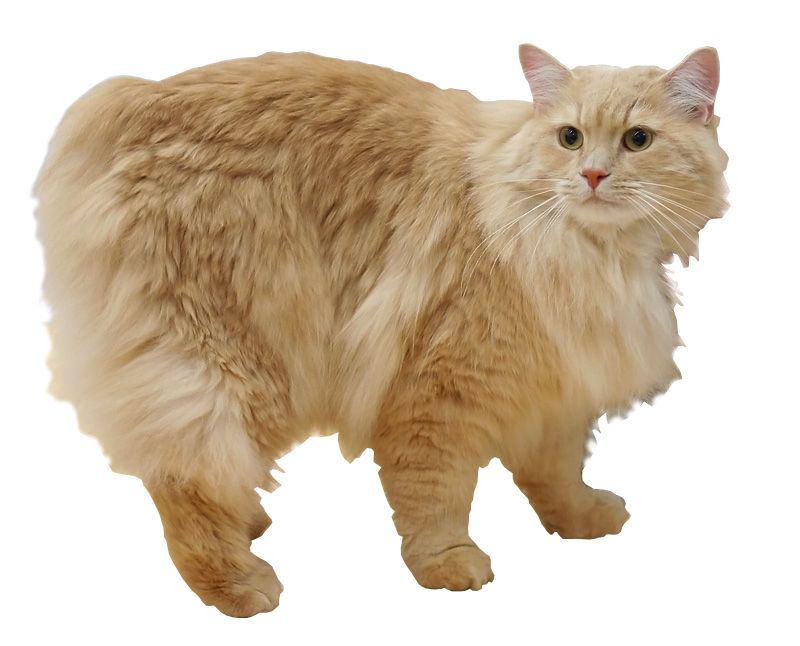
Cymric cat breed - long-haired feline from Unknown, popular among cat lovers in India

Cymric

Origin
Canada 🇨🇦
Size
Large Breed
Lifespan
12–15 yrs
Buying Price
₹25,000 - ₹60,000
Ideal Space
Apartment
Weather
15°C – 25°C
Coat Type
Long, Silky Coat

About Cymric

The Cymric is one of the most popular cat breeds that has captured the hearts of feline lovers in India and around the world. Known for being playful, curious, friendly, and independent, the Cymric cat breed is a wonderful choice for families, singles, and first-time cat owners alike. The Cymric cat is perfectly suited for apartment living, making this breed one of the most popular cat breeds in India for pet owners in urban settings.

With a charming personality and moderate energy levels, the Cymric cat continues to be a top pick among cat lovers and pet enthusiasts. Poodles Petcare brings you complete cat information on all types of cats and cat breeds, helping you discover the best feline companion for your family petcare needs.

The Cymric cat breed has a fascinating history, with origins that have shaped the unique characteristics and temperament of the Cymric cat seen today. Classified as a large breed, the Cymric cat is recognized for a beautiful coat and a well-proportioned body structure. The Cymric is celebrated for being playful and curious, which makes this feline an ideal companion for households of all sizes.

The price of a Cymric kitten in India ranges from ₹25, 000 to ₹60, 000, depending on the breeder, pedigree, coat quality, and location. The elegant appearance and endearing personality of the Cymric cat have made this cat breed easily recognizable among all kinds of cats and types of cats worldwide. The Cymric remains a cherished pet for homes across India.

The Cymric cat has a lifespan of 12 to 15 years when provided with proper petcare, a nutritious diet, and regular vet check-ups. The Cymric is considered a moderate-maintenance cat breed with moderate shedding, so regular cat grooming is important to keep the Cymric looking and feeling great. The Cymric cat benefits from 30 to 60 minutes of daily play and interactive stimulation to stay healthy.

Cat owners should be mindful that the Cymric kitten or adult cat can be susceptible to certain health conditions such as Obesity, Dental Problems, Hyperthyroidism, so regular vet visits and preventive care are essential for responsible family petcare. With proper cat grooming, quality nutrition, and a loving home environment, the Cymric cat makes a delightful and affectionate addition to any family in India. Trust Poodles Petcare for all your petcare tips and cat breed information.


Nutrition

Meal guidance, macros and what to avoid.

Nutritional Guide for Cymric

Monthly food cost: ₹1,500 - ₹2,000

Puppy/Kitten: 300 kcal  · Adult: 249 kcal

Overview

Managing the dietary requirements of the Cymric demands a structured nutritional approach tailored to its long-haired, moderately active physiology. This breed operates at a moderate metabolic pace requiring portion-controlled balanced meals, making precise daily calorie allocation critical for long-term vitality. Kittens require 300 kcal per day to support rapid developmental phases, while adult Cymrics thrive on 249 kcal daily.

Monthly food expenditure for a well-nourished Cymric in India typically ranges from ₹1,500 to ₹2,000, covering quality kibble and wet food rotations. High-quality animal protein must serve as the primary macro-nutrient, ideally sourced from chicken, turkey, or fish to support lean muscle preservation in the Cymric. Essential fatty acids from Omega-3 and Omega-6 sources directly impact coat condition, skin integrity, and cardiovascular function in this breed.

Taurine, an indispensable amino acid, must be present in all formulations to protect the Cymric's cardiac health and visual acuity throughout its lifespan. Avoiding fillers, artificial preservatives, and toxic ingredients ensures the Cymric maintains digestive health and immune resilience across all life stages.

Recommended Foods

A diverse selection of verified proteins and wholesome ingredients ensures the Cymric remains nutritionally satisfied across all meal cycles. Pure animal-sourced components support lean tissue generation, regulated digestion, and clean metabolic burning without triggering common feline allergies. Incorporating these veterinarian-approved items maintains the Cymric's physiological wellness and consistent energy levels.

Rotating protein sources prevents dietary monotony and ensures a complete amino acid profile for the Cymric.

  • Premium dry kibble formulated for large breed cats to support dental health and deliver balanced macro-nutrients for the Cymric
  • Lean cooked turkey providing easily digestible protein and essential B-vitamins for the Cymric's metabolic health
  • High-moisture wet canned food to increase daily fluid intake and protect the Cymric's urinary tract from crystal formation
  • Deboned cooked chicken delivering clean, lean animal protein for sustained muscle support in the Cymric
  • Fresh salmon rich in Omega-3 marine oils that support the Cymric's skin, coat condition, and cardiovascular health

Essential Nutrients

A precisely calibrated array of macro and micro-nutrients forms the foundation of optimal health for the Cymric. This breed's long-haired physiology demands uncompromised amino acid density, particularly taurine, to protect cardiac function and visual clarity. Supplying complete mineral and vitamin profiles ensures proper cellular repair and immune resilience across all life stages of the Cymric.

Without these foundational nutrients, the Cymric risks developing preventable metabolic imbalances and long-term organ stress.

  • High-grade animal protein (chicken, turkey, fish) to fuel the Cymric's moderate daily activity and muscle repair cycles
  • Taurine amino acid to prevent dilated cardiomyopathy and preserve retinal integrity in the Cymric
  • Omega-3 and Omega-6 essential fatty acids to maintain the Cymric's long-haired coat and skin barrier and support anti-inflammatory pathways
  • Calcium and phosphorus minerals to sustain strong bone density and joint integrity throughout the Cymric's active life stages
  • Prebiotic dietary fiber to regulate bowel transit and support efficient nutrient absorption in the Cymric's digestive system

Macro-nutrient Breakdown

  • Protein
    45%

    High-quality animal proteins from chicken, turkey, and fish support lean muscle mass and sustain the Cymric's moderate daily metabolic energy demands.

  • Fats
    35%

    Essential Omega-3 and Omega-6 fatty acids from fish oil maintain skin elasticity, coat condition, and cardiovascular function specific to the Cymric's physiology.

  • Carbohydrates
    15%

    Low-glycemic, easily digestible carbohydrates provide sustained energy release without overloading the Cymric's sensitive digestive system or triggering blood sugar spikes.

  • Fiber
    5%

    Prebiotic dietary fiber promotes smooth intestinal transit, regular bowel health, and efficient nutrient absorption critical for the Cymric's gut integrity.

Foods to Avoid

Certain human food items carry severe chemical compositions or destructive pathogens that are acutely dangerous to the Cymric's metabolic system. Eliminating these hazardous foods from your home prevents accidental ingestion and blocks critical toxic reactions within the Cymric's bloodstream. Strict adherence to these dietary boundaries protects your Cymric from both acute emergencies and chronic long-term organ damage.

Regular owner education on toxic food items is an essential component of responsible Cymric petcare.

  • Chocolate, onions, garlic, grapes, raisins, macadamia nuts, and avocados: All of them are poisonous and may lead to severe health problems.
  • Raw dough or salty foods (like canned tuna for humans): May lead to bloating or sodium disorder.
  • Dairy products: Can cause stomach upset because most cats are lactose intolerant.
  • Artificial additives and fillers: May cause allergies and gastrointestinal pains.

Prohibited Ingredients

Specific chemical processing agents, artificial additives, and low-quality grain fillers are completely incompatible with the Cymric's digestive and hepatic systems. Continuous trace exposure to these prohibited substances can cause toxic accumulation, chronic skin sensitivities, and permanent urinary blockages over time in the Cymric. Maintaining strict visual inspection of ingredient labels is an essential safeguard for responsible Cymric ownership.

Opting for additive-free, natural formulations preserves the Cymric's systemic health throughout its entire lifespan.

  • Onions and Garlic: a prohibited substance that poses toxicity risk and digestive harm to the Cymric's sensitive physiology
  • Caffeine: a prohibited substance that poses toxicity risk and digestive harm to the Cymric's sensitive physiology
  • Chocolate: a prohibited substance that poses toxicity risk and digestive harm to the Cymric's sensitive physiology
  • Bones: a prohibited substance that poses toxicity risk and digestive harm to the Cymric's sensitive physiology
  • Raw Eggs: a prohibited substance that poses toxicity risk and digestive harm to the Cymric's sensitive physiology

Feeding Guidelines

Portion control strategies must be carefully configured across all life phases to maintain the Cymric's optimal body condition and metabolic health. Managing caloric intake directly mitigates the risk of obesity, a common concern in indoor Cymrics. Adjusting nutrient density as the Cymric transitions from active kitten to mature adult prevents digestive imbalances and ensures smooth life stage transitions.

Consistent meal scheduling regulates blood sugar and prevents behavioral food-seeking anxiety in the Cymric.

  • Kittens (Up to 12 Months): Provide 4 to 5 small meals daily using a high-protein, calorie-rich kitten formulation to support rapid growth in the Cymric
  • Adults (1-7 Years): Feed two measured portions daily to prevent obesity, a common concern in indoor Cymrics
  • Seniors (7+ Years): Serve lower-calorie, easily digestible senior food enriched with glucosamine and Omega-3s for the aging Cymric

Recommended Brands

Selecting premium commercial formulations suited to the Cymric's metabolic and physiological profile is essential for long-term health. Top veterinarian-recommended brands provide targeted gastrointestinal support while enhancing the Cymric's natural energy metabolism and coat condition. These premium blends ensure your Cymric receives complete, uncompromised nutrition daily without relying on harmful fillers.

Consulting your veterinarian before switching brands helps prevent digestive disruption in the Cymric.

  • Turkey, fish or real chicken. Gives quality protein to assist muscle health.
  • Formulas controlling hairballs. Encourage digestive health and help combat shedding.
  • Salmon or tuna is a source of omega-3 fatty acids. Encourage a glossy coat and skin well-being.
  • High moisture content to hydrate. Promotes kidney and urinary health.
  • No unwanted fillers and byproducts. Guarantees improved digestion and general health.

Health & Wellness

Common issues, vaccination schedule, and senior care.

Healthcare and Preventative Guide for Cymric

Avg monthly health cost: ₹500 - ₹700

Medium

30–60 min/day

Overview

Maintaining the long-term physiological wellness of the Cymric requires a proactive combination of structured exercise, preventive veterinary care, and targeted health monitoring. As a long-haired, moderately active breed, the Cymric demands 30 to 60 minutes of daily physical and mental stimulation to preserve behavioral balance and prevent obesity. Monthly veterinary health expenses for the Cymric in India typically range from ₹500 to ₹700, covering routine checkups and parasite prevention.

Common health predispositions in the Cymric include Obesity, Dental Problems, Hyperthyroidism, each requiring targeted management strategies. A comprehensive immunization schedule beginning at 6 to 8 weeks of age builds foundational immunity against life-threatening feline viral pathogens for the Cymric. Owners must monitor the Cymric for early stress indicators and behavioral anomalies that signal underlying health disturbances requiring prompt veterinary attention.

With a properly maintained health regimen, the Cymric can achieve its full life expectancy of 12 to 15 years in a domestic Indian household. Consistent oral hygiene, weight management, and annual diagnostic screenings form the cornerstone of preventive healthcare for the Cymric.

Hereditary and Common Health Conditions in Cymric

Understanding the genetic predispositions and ancestral health vulnerabilities of the Cymric is essential for early clinical intervention. Tracking these verified health conditions ensures timely therapeutic management and long-term biological stabilization for your Cymric. Regular bi-annual veterinary screenings help identify developing conditions before they compromise the Cymric's quality of life.

Proactive owner education on these conditions significantly reduces emergency veterinary interventions and long-term treatment costs.

Manx Syndrome

The Tailless gene causes spinal disfigurements. It may cause mobility issues and incontinence; the earlier it is diagnosed, the better.

Hip Dysplasia

Because they are stocky. It can result in lameness or difficulty in locomotion.

Obesity

Heightens the risks of diabetes and joint pain. Weight gain is prevented by a controlled diet and frequent play.

Dental Issues

Many cat breeds have this. Oral health can be sustained by regular brushing and checkups by the vet.

Recommended Activities

Daily recreational routines keep the Cymric physically sound and mentally balanced while preventing common indoor behavioral issues. Engaging in structured activities prevents rapid weight gain, supports lifelong joint flexibility, and builds a deep communicative bond with family members. Supplying puzzle and foraging challenges satisfies the Cymric's predatory hunting instincts within a safe indoor setting.

A varied activity schedule ensures comprehensive stimulation across both physical and cognitive domains for the Cymric.

  • Supervised indoor exploration within secured spaces to satisfy the Cymric's natural curiosity and prevent boredom-related behavioral issues
  • Structured climbing exercises on cat trees and wall shelves to build and maintain the Cymric's muscular strength and spinal flexibility
  • Dedicated scratching post sessions to maintain the Cymric's claw health, stretch spinal muscles, and fulfill territorial marking instincts
  • Interactive toy sessions using feather wands, laser pointers, and puzzle feeders to activate the Cymric's innate hunting instincts and maintain healthy weight
  • Interactive Feeders: a beneficial daily activity supporting the Cymric's physical conditioning and mental wellness

Recognizable Signs of Stress in Cymric Pets

The Cymric communicates psychological discomfort or underlying illness through subtle shifts in daily body movements and vocalization patterns. Missing these behavioral updates can compromise immune function and accelerate latent health issues in the Cymric over time. Promptly recognizing anxiety cues allows owners to adjust the household environment before conditions escalate to clinical severity.

Consistent observation of the Cymric's daily routine baseline is the most reliable early detection strategy available to owners.

  • Persistent hiding within dark spaces or under furniture to escape household activity, signaling acute anxiety in the Cymric
  • Marked increase in distress vocalizations indicating underlying physical discomfort or emotional stress in the Cymric
  • Abrupt drops in daily food intake where the Cymric refuses regular rations, signaling potential illness or stress
  • Inappropriate elimination outside the litter box boundaries, a primary behavioral stress marker in the Cymric
  • Obsessive repetitive grooming resulting in localized skin irritation, reflecting chronic anxiety in the Cymric

Preventive Vaccination Schedule for Cymric

Adhering closely to a timed immunization protocol builds a strong defensive shield against highly contagious feline viral pathogens for the Cymric. Regular booster injections train the Cymric's immune system to neutralize deadly infections before they cause permanent vital organ damage. Maintaining up-to-date vaccination documentation is mandatory for professional veterinary clinics and boarding facilities across India.

Consulting your veterinarian ensures the Cymric's immunization schedule accounts for local environmental and epidemiological risk factors.

Growth StageCore Vaccines
Age 6-8 WeeksFeline Viral Rhinotracheitis, Calicivirus, Panleukopenia (FVRCP). to build protective immunity for the Cymric
Age 12-16 WeeksFVRCP Booster, Feline Leukemia Virus (FeLV). to build protective immunity for the Cymric
Age AnnualFVRCP Booster, FeLV Booster. to build protective immunity for the Cymric
Age 1-2 YearsRabies. to build protective immunity for the Cymric

General Care Tips

Essential daily and weekly care actions are designed to catch early signs of metabolic shifts and maintain optimal conditioning in the Cymric. Proper home dental hygiene combined with routine weight monitoring manages the Cymric's most common systemic vulnerabilities. Regular environmental enrichment and proactive parasite prevention preserve the Cymric's physical resilience throughout all seasonal cycles.

Establishing consistent care routines creates predictability that reduces anxiety and promotes behavioral stability in the Cymric.

  • A visit to the vet twice a year. Routine visits assist in the early detection of medical problems.
  • Observe weight and serve well-balanced foods. Helps avoid obesity and joint or spine issues.
  • Mobility can be aided using ramps. Facilitates their access to beds or sofas without hopping.
  • Give dental snacks or clean their teeth. Promotes oral health and helps to avoid gum disease.
  • Look out for abnormal walking or back pain. Further complications could be prevented by early treatment.

Senior Care

Environmental modifications and targeted diagnostic updates become essential as the Cymric enters its senior life stage. Introducing joint supplements and orthopedic bedding addresses age-related mobility changes while maintaining the Cymric's comfort and thermal regulation. Bi-annual veterinary testing flags metabolic shifts and organ function changes before they alter the aging Cymric's quality of life.

Adapting daily routines to match the Cymric's reduced physical capacity ensures dignified and comfortable senior years.

  • Older Cymrics need extra support:
  • Visit the vet every 6 months. Regular checkups help catch age-related issues early.
  • Provide easy-access litter boxes and soft bedding - Eases the load on joints and provides comfort on an everyday basis.
  • Feed digestible foods - Aids digestion and minimises the intake of nutrients.
  • Monitor muscle tone and kidney function - Any indications of loss of muscle or kidney stress should be tackled in the early stages.
  • #### Vaccination details

Grooming

Coat care, hygiene and shedding notes.

Grooming and Hygiene Guide for Cymric

Estimated cost: ₹800 - ₹1,500 / month

Moderate Shedding

Overview

Brush Cymrics 2-3 times a week, or daily during shedding seasons. Comb with wide & narrow teeth for the undercoat Occasional bath if the coat becomes oily Monthly grooming expenditure for the Cymric in India typically ranges from ₹800 to ₹1,500, covering grooming tools, products, and periodic professional sessions. The Cymric's shedding level is classified as Moderate Shedding, meaning consistent coat management is essential.

Dental hygiene, ear cleaning, and nail trimming complete the Cymric's full hygienic maintenance regimen.

Hygiene Checklist

A structured walkthrough of physical cleaning protocols shields the Cymric from external infections, uncomfortable buildup, and preventable dental disease. Maintaining a predictable cleaning timeline ensures long-term physical comfort and a hygienic living environment for both the Cymric and its household. Each task on this checklist addresses a specific anatomical vulnerability unique to the Cymric's coat type and physical structure.

Consistent execution of these hygienic protocols prevents minor maintenance issues from escalating into costly veterinary interventions.

  • Weekly coat brushing with a breed-appropriate grooming brush to remove loose hair and distribute natural oils in the Cymric
  • Monthly full-body inspection for skin abnormalities, lumps, or parasites during regular grooming sessions with the Cymric
  • Bi-weekly nail trimming using sharp cat-specific clippers to prevent overgrowth and furniture damage by the Cymric
  • Weekly ear cleaning with a veterinarian-approved solution to prevent waxy buildup and infection in the Cymric
  • Tri-weekly teeth brushing with cat-safe toothpaste to control plaque, prevent periodontal disease, and maintain fresh breath in the Cymric

Grooming Benefits

Consistent therapeutic grooming sessions yield extensive physiological advantages that extend far beyond basic visual aesthetics for the Cymric. Clearing dead surface cells, cleaning sensitive ear canals, and maintaining oral hygiene directly minimizes the risk of bacterial overgrowth and systemic infections. Close grooming interactions serve as ideal opportunities to visually detect localized lumps, parasites, or skin changes in the Cymric at the earliest possible stage.

Establishing these care rituals also enhances the Cymric's psychological comfort and trust in its primary caregiver.

  • Complete removal of loose hair and surface debris that blocks allergen distribution from the Cymric throughout the home
  • Systematic oil and coat management that prevents the formation of skin irritation and bacterial colonization on the Cymric
  • Total elimination of ear wax accumulation, ensuring the Cymric remains free from painful otitis infections
  • Early detection of unusual skin changes, lesions, or structural anomalies during close tactile grooming inspections of the Cymric
  • Sustained oral integrity that eliminates bad breath and reduces the risk of systemic bacterial infections from dental disease in the Cymric

Step-by-Step Upkeep Techniques for Cymric

Precise protocols detailing the required tools, handling frequencies, and sensitive structural considerations are necessary to safely manage the Cymric's coat and skin health. Adapting grooming tool selection and technique to the Cymric's specific coat type prevents irritation, over-stripping of natural oils, and unnecessary stress during sessions. Each grooming session should begin with a gentle, reassuring handling phase to establish calm and cooperative behavior in the Cymric.

Regular consistency transforms grooming from a stressful event into a bonding ritual that the Cymric anticipates positively.

Brushing

Brush the Cymric's coat 3 to 4 times per week with a suitable grooming brush. Work in the direction of hair growth to remove loose hair and distribute natural skin oils evenly for a healthy, lustrous appearance.

Bathing

Bathe the Cymric every four to six weeks using a mild, cat-safe shampoo. Wet the coat with lukewarm water, apply shampoo in circular motions, rinse completely to remove residue, and pat dry with an absorbent towel.

Nail Trimming

Trim the Cymric's nails every two to three weeks using sharp, cat-specific nail clippers. Hold the paw firmly, extend each claw gently, and clip only the clear tip to avoid the pink quick. Reward with treats to build a positive association.

Ear Cleaning

Clean the Cymric's ears once a week using a vet-approved ear cleaning solution and cotton pads. Gently wipe the visible inner surface of each ear to remove wax and debris. Stop immediately if there are signs of pain, redness, or unusual discharge.

Teeth Brushing

Brush the Cymric's teeth two to three times per week using a soft-bristle cat toothbrush and enzymatic veterinary toothpaste. Introduce the routine gradually by letting the Cymric taste the paste first. Focus on outer tooth surfaces where tartar builds up fastest.


Adopt / Shop

Guidance on buying responsibly or choosing adoption.

Adoption and Buying Guide for Cymric

Market price: ₹25,000 - ₹60,000

₹25,000 - ₹60,000

Overview

Navigating the process of acquiring a Cymric in India requires careful evaluation of both commercial sourcing channels and ethical rescue networks. The purchase price for a Cymric kitten from a registered breeder in India ranges from ₹25,000 to ₹60,000, reflecting pedigree quality, parental health certifications, and import logistics where applicable. Registered domestic breeders specializing in the Cymric can be located through verified TICA or CFA affiliated networks in major Indian cities.

Prospective owners must evaluate total acquisition costs alongside ongoing monthly expenses before committing to a Cymric to ensure household financial compatibility. Purchasing from unregulated online platforms can expose families to lineage fraud, compromised health profiles, and unethical breeding practices for the Cymric. Insisting on complete health clearance logs, vaccination records, and parental genetic testing documents safeguards both the investment and the Cymric's welfare.

Adoption through specialized rescue networks offers a compassionate alternative and typically costs significantly less than purchasing a Cymric from a commercial breeder. Whether buying or adopting, ensuring the Cymric arrives in a fully prepared, enriched home environment is critical for a smooth behavioral transition.

Sourcing a Cymric: Evaluating Your Readiness

Bringing a Cymric into your home is a rewarding but long-term lifestyle commitment requiring significant preparation and honest self-assessment. This long-haired, moderately active breed demands specialized environmental setups, breed-specific dietary scheduling, and consistent grooming maintenance throughout its 12 to 15 years lifespan. Ensuring your current domestic budget and daily schedule align with the Cymric's needs prevents future lifestyle friction and ensures a fulfilling ownership experience.

Prospective Cymric owners should also evaluate their household's suitability in terms of space, climate control, and family dynamics.

  • Confirm financial capacity to handle an up-front investment of ₹25,000 to ₹60,000 plus ongoing monthly maintenance for the Cymric
  • Verify that your weekly schedule permits dedicating sufficient time to the Cymric's grooming, play, and social interaction requirements
  • Adapt your indoor home layout to provide appropriate space, climbing structures, and temperature control for the Cymric
  • Acknowledge the long-term emotional commitment of caring for a Cymric across its full 12 to 15 years lifespan
  • Confirm access to a qualified feline veterinarian experienced with the Cymric's breed-specific health requirements

Purchasing a Cymric from a Professional Breeder

When purchasing a Cymric in India, connecting with a certified breeder who provides comprehensive health clearance logs is mandatory. Insisting on official pedigree authentication documents ensures your kitten has been raised ethically and is free from hereditary disorders common to this breed. Validating the breeding facility's standards and the parents' health records protects both your investment and the animal's welfare.

A reputable Cymric breeder will be transparent about health screenings, socialization practices, and post-sale support.

  • Request official pedigree authentication documents confirming the Cymric's lineage and genetic heritage before finalizing any purchase
  • Verify that the breeder provides comprehensive medical clearances, vaccination records, and parental health certifications for the Cymric
  • Conduct a physical visit to the breeding facility to assess living conditions, socialization levels, and wellbeing of Cymric kittens
  • Confirm that the Cymric kitten has been microchipped, dewormed, and cleared for intestinal parasites prior to handover
  • Request a written health guarantee and post-sale support commitment from the breeder covering the initial transition period

Adopting a Cymric from a Shelter or Rescue Network

Adopting a Cymric from a rescue organization or shelter provides a compassionate pathway to ownership while giving a deserving cat a permanent loving home. Many Cymrics in rescue networks are adults with established temperaments, allowing prospective owners to assess behavioral compatibility more accurately than with kittens. Rescue organizations typically conduct behavioral assessments and provide basic veterinary care before placing cats for adoption.

Adopting a Cymric also contributes meaningfully to reducing the burden on animal welfare organizations across India.

  • Contact specialized Cymric breed rescue organizations or general feline rescue networks operating across major Indian metropolitan areas
  • Request complete medical and behavioral history documentation for any Cymric available for adoption from a shelter or rescue
  • Conduct a trial interaction session with the Cymric candidate to assess behavioral compatibility with your household dynamic
  • Arrange a post-adoption veterinary checkup within 48 hours to establish a baseline health profile for the newly adopted Cymric
  • Prepare a calm, quiet transition space in your home to ease the Cymric's initial adjustment period following adoption

Monthly Expense Summary

  • Avg Monthly₹2,800
  • Basic Care₹4,200
  • Food₹1,500 - ₹2,000
  • Grooming₹800 - ₹1,500
  • Health₹500 - ₹700

Frequently Asked Questions

Common questions about the Cymric.

What is the temperament of a Cymric cat?

Cymric cats are known for being Playful, Curious, Friendly, Independent. They have a medium energy level, balancing playful bursts with relaxed, affectionate downtime. Cymric cats adapt well to apartment living and thrive indoors. They generally get along well with children and other pets when introduced gradually, making them a wonderful choice for families.

What is the lifespan of a Cymric cat?

Cymric cats typically live 12 to 15 years with proper care. To maximize your Cymric's lifespan, provide a high-quality protein-rich diet, schedule annual veterinary check-ups, keep them in a safe indoor environment, and give them plenty of mental and physical stimulation. Regular dental care and parasite prevention also play a key role in long-term health.

How much does a Cymric cat cost in India?

The price of a Cymric cat in India typically ranges from ₹25, 000 to ₹60, 000, depending on the breeder's reputation, pedigree, coat quality, and location. Prices in metro cities like Mumbai, Delhi, or Bangalore may be higher due to demand. If you are considering bringing a Cymric home, adopting from a rescue or shelter is a more affordable and equally rewarding option. Always verify the breeder's credentials and ask for health certificates before purchasing.

Do Cymric cats shed a lot, and how much grooming do they need?

Cymric cats have moderate grooming needs. Brushing their coat two to three times a week helps control shedding and keeps the coat healthy. A full grooming routine should also include monthly nail trims, weekly ear checks, and regular dental care to prevent tartar buildup. If you maintain a consistent grooming schedule, your Cymric will stay clean, comfortable, and mat-free.

What are the common health issues in Cymric cats?

Cymric cats can be prone to certain health conditions, including Obesity, Dental Problems, Hyperthyroidism. While not every Cymric will develop these issues, it is important to schedule routine veterinary check-ups at least once a year to monitor their health. Early detection of problems like dental disease or kidney issues can make a significant difference in treatment outcomes. A balanced diet, maintaining a healthy weight, and keeping up with vaccinations and parasite prevention are the best ways to keep your Cymric healthy throughout their life.

What is the monthly cost of owning a Cymric cat in India?

The average monthly expense for a Cymric cat in India is approximately ₹2, 800, covering food, litter, grooming, and basic veterinary care. Costs can vary depending on whether you opt for premium food, professional grooming services, or if your cat requires any medical treatment. Setting aside a small emergency fund for unexpected vet visits is highly recommended for all Cymric owners.

Stay Updated

Join Our Petcare Family, Dog & Cat Tips Weekly

Get family petcare tips, dog and cat grooming guides, pet health insights, and exclusive wellness updates delivered straight to your inbox.

We care about your privacy. No spam, ever.